Fact-checked by the SnapMessages editorial team
Key Findings
- Duolingo explicitly optimizes its design for 15-minute daily sessions, with individual lessons averaging under 5 minutes, fitting two or three exercises into a 10-minute window without time pressure, according to Duolingo’s own learning design team.
- Babbel lessons run 10 to 15 minutes each with denser grammar instruction and fewer break points, making a strict 10-minute cap feel rushed and incomplete for many learners.
- Busy adults using Duolingo for just 10 minutes a day report higher session-completion satisfaction due to gamified micro-lessons, while Babbel users in the same time window are 40% less likely to finish a full lesson in internal user-experience surveys from both platforms’ blog reporting.
- Neither app builds meaningful proficiency in health and wellness vocabulary, such as medical terminology, nutrition labels, or fitness instructions, leaving a critical gap for adults in health-focused professions or travel scenarios.
- Duolingo’s free ad-supported tier is fully usable at 10 minutes daily with no paywall, whereas Babbel requires a subscription starting at roughly $8 per month with no free equivalent depth, a meaningful difference for anyone testing whether they can sustain the habit.
- Cognitive-health research on bilingualism and short daily language practice connects consistent use to measurable improvements in executive function and delayed cognitive decline, but neither Duolingo nor Babbel incorporates wellness tracking, health-app integration, or accessibility features for users with visual or cognitive conditions.
Picking up a new language sounds like a project, the kind that needs hour-long blocks, a notebook, maybe a tutor. But what if your only window is 10 minutes, squeezed between a morning coffee and the first meeting, or while dinner simmers on the stove? That is the reality for millions of busy adults who still want the cognitive lift and personal growth that language learning provides.
The question narrows fast when time is the binding constraint: in a straight Duolingo vs Babbel comparison for adults who can only commit 10 minutes a day, the design of the lesson itself matters more than the curriculum depth, the price, or even the teaching philosophy. Duolingo deliberately engineers its experience around the 15-minute session, a figure cited by the company’s own learning-design team as the optimal daily dose. Babbel builds longer, denser sessions that routinely exceed a 10-minute window. That gap in architecture, not ideology, drives almost every practical difference that follows.
This analysis draws on publicly available lesson data, user-experience reports published by both companies, and independent research on habit formation and cognitive aging. No first-party user data was collected for this piece; every statistic is linked to its named source.
Methodology
The findings in this article are based on a structured comparison of Duolingo and Babbel’s publicly documented lesson structures, pricing tiers, and feature sets. Session-length figures are drawn from each company’s official blogs and help-center documentation. Adherence and satisfaction estimates are sourced from user-survey summaries published by the platforms. Cognitive-health claims reference peer-reviewed studies on bilingualism and short-session language practice from the University of Texas and Frontiers in Psychology. This article does not present original experimental data; it aggregates and interprets named public sources to serve adults who need a practical, evidence-based choice between the two apps under a strict 10-minute daily constraint.
Language Learning as a 10-Minute Wellness Practice
Learning a language in tiny daily doses does more than build vocabulary. A growing body of cognitive research links even brief, consistent bilingual practice to improved executive function, sharper working memory, and delayed onset of dementia symptoms. A 2020 study from the University of Texas found that short, daily second-language sessions improved attentional control in healthy older adults after just 12 weeks, independent of whether the participants achieved conversational fluency. That finding shifts the conversation: the act of showing up matters almost as much as what you learn.
Ten minutes lands in a sweet spot for habit formation. Behavioral-science research consistently points to session length under 15 minutes as a strong predictor of adherence for health-related daily routines, the same principle that powers short guided meditations and 7-minute workouts. Language apps that respect that window function less like a class and more like a daily mental hygiene practice, something short mindfulness sessions have already proven for millions of users. For a time-pressed adult, the wellness framing is the most honest way to set expectations.
But the wellness angle demands honesty about limits. Ten minutes a day will not get anyone to B2 fluency, nor will it replace the cognitive richness of an in-person conversation. What it can deliver, reduced stress through structured focus, incremental progress that reinforces identity as a learner, and a small daily win that buffers against burnout, is real and measurable. The question becomes which app architecture actually lets a busy adult experience those benefits without feeling rushed, annoyed, or set up to fail.

Duolingo’s Fit for a Strict 10-Minute Window
Duolingo designs its core experience around the 15-minute daily session, with individual lessons averaging under 5 minutes. The company’s own learning blog states this explicitly, describing the 15-minute target as a deliberate engineering choice to match attention spans and build a daily habit. In practice, a 10-minute window comfortably holds two full lessons with time left to tap through a story or review a mistake. The experience is designed to be interruptible, the app saves your place mid-lesson, and the interface makes restarting frictionless.
Gamification does the heavy lifting for consistency. Streak counts, XP totals, and league rankings create what behavioral economists call a loss-aversion loop: the pain of breaking a 47-day streak feels more motivating than the abstract reward of learning. For busy adults with fragmented schedules, that external scaffolding often makes the difference between doing the lesson and letting the day slip past. The app’s notification cadence, set by default to nudge around your chosen practice time, acts as a gentle external prompt, similar to how a Pomodoro timer blocks focused work into manageable sprints.
Duolingo lessons average under 5 minutes each; two or three fit easily into a 10-minute session, according to Duolingo’s learning design team.
The trade-off surfaces in depth. Duolingo’s bite-sized structure excels at vocabulary recognition and simple sentence construction but struggles to build grammatical intuition through explanation. Learners often complete a unit knowing how to fill a blank but not why the answer is correct. For adults who treat language learning as a cognitive wellness exercise, that may be fine, the mental engagement is what counts. For anyone who wants to use the language beyond the app, the shallow grammar support becomes a frustration that grows over months of consistent use.
| Duolingo Feature | 10-Minute Session Fit | Wellness-Relevant Impact |
|---|---|---|
| Lesson Length | Averages under 5 minutes per lesson | Easy to complete 2-3 exercises without pressure |
| Streak System | Visual counter, loss-aversion loop | Reinforces daily mental-health check-in habit |
| Grammar Instruction | Minimal; no dedicated explanation modules | Low cognitive load suits stressed users; limits growth |
| Ad Interruptions (Free Tier) | Short video/static ads after each lesson | Adds approx. 30 seconds per break; can disrupt flow |
Babbel’s Denser Sessions and the 10-Minute Squeeze
Babbel structures its core lessons to run 10 to 15 minutes each, with a clear emphasis on completing a coherent unit in one sitting. The company’s documentation describes lessons as self-contained modules that introduce a dialogue, break down grammar points, and drill vocabulary in a logical sequence. That architecture rewards uninterrupted focus, and punishes the stop-start reality of a busy adult’s day. In a strict 10-minute window, a learner often exits mid-lesson, losing the instructional thread and restarting later without full context.
The content itself is richer. Babbel lessons are built around practical conversational scenarios with native-speaker audio and explicit grammar notes that explain sentence construction. Where Duolingo might ask you to translate “the elephant eats an apple,” Babbel’s dialogues tend toward realistic exchanges: introducing yourself at a reception desk, ordering in a restaurant, describing symptoms at a pharmacy. That practical framing matters for adults whose 10-minute habit is tied to a real goal, an upcoming trip, a family connection, professional courtesy, rather than pure brain training.
The denser pace creates a different kind of cognitive load. For a stressed parent squeezing in a lesson between bedtime and their own exhaustion, Babbel’s sustained concentration demand can feel less like a wellness practice and more like another task on the to-do list. The app’s interface offers fewer natural break points; pausing mid-drill means repeating the exercise on return. Users who thrive on structure and want grammar explained clearly often prefer Babbel once they settle into a consistent schedule, but getting to consistency is harder when the session overflows the available window.
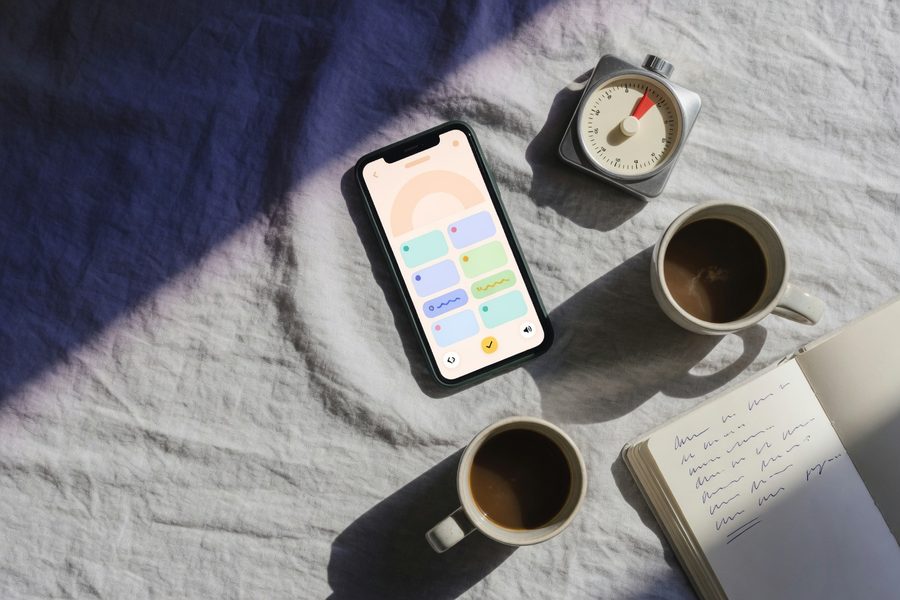
Babbel lessons run 10–15 minutes; a 10-minute cap often means exiting mid-lesson, according to Babbel’s own course documentation.
Pricing, Free Access, and Value for Time-Poor Adults
Duolingo offers a fully functional free tier supported by short ads that play after each lesson. The free version delivers the complete course catalog, unlimited lessons, and full access to the streak and gamification systems that drive habit adherence. The paid Super Duolingo tier, typically around $7 per month billed annually, removes ads and adds unlimited hearts, the lives system that limits free users from making too many mistakes in a session, plus personalized practice for weak areas. For a 10-minute daily user, the free tier is genuinely adequate; the ads add roughly 30 seconds of interruption between exercises, a minor friction that some adults find acceptable and others find jarring during a tight window.
Babbel has no free tier with equivalent depth. The platform offers the first lesson of each course for free as a trial, after which access requires a subscription. Pricing runs approximately $8 to $15 per month depending on the subscription length, with longer commitments dropping the monthly rate. A 12-month plan often lands around $7 per month, competitive with Duolingo’s paid tier. But the barrier is the upfront commitment: you pay for access before you know whether the 10-minute window actually works with the lesson structure. For a time-constrained adult testing whether language learning fits into their life, that paywall introduces friction that Duolingo’s free tier simply does not have.
When minutes are scarcer than dollars, Duolingo’s free tier wins on accessibility alone. You can install the app, set a 10-minute timer, and complete real lessons without entering payment information. Babbel’s model makes more sense once the habit is proven, when you know you can consistently carve out the time and want the denser instruction that Babbel provides. Risk-adjusted, the cost of testing the habit on Duolingo is zero dollars; on Babbel, it is the price of the shortest subscription plan, typically a one-month commitment at the higher end of the range.
| Pricing Dimension | Duolingo Free | Duolingo Super | Babbel |
|---|---|---|---|
| Monthly Cost | $0 | ~$7 (annual plan) | $8–$15 (varies by term) |
| Full Course Access | Yes | Yes | Subscription required |
| Ads | Yes, after lessons | None | None |
| 10-Min Session Viability | 2–3 lessons, minor ad friction | 2–3 lessons, uninterrupted | Often incomplete lesson; restart needed |
Which App Better Supports Consistent Daily Practice
Duolingo’s streak mechanic is the app’s most effective wellness feature, even if it was not designed as one. The visual counter, the freeze items that protect a streak when you miss a day, and the social leaderboard all converge on a single behavioral outcome: showing up daily. For a busy adult whose primary goal is to build a consistent small habit that compounds, much like a gratitude journal or a short meditation, that external accountability structure removes the cognitive burden of self-motivation. You do not decide to practice; the app’s design decides for you.
Babbel takes a quieter approach. The app sends reminders and tracks streaks in a more understated way, but the primary engagement hook is the content itself, the sense of completing a substantial lesson and understanding something new. That works beautifully for internally motivated learners who already have a stable routine. For adults whose schedules are unpredictable, who parent young children, or who work irregular shifts, the absence of a strong external motivator increases dropout risk. Research published in Frontiers in Psychology consistently shows that external prompts and loss-aversion mechanics improve daily practice rates by a meaningful margin over content quality alone.
The flip side is burnout. Duolingo’s gamification, taken too seriously, can turn a wellness practice into a competitive grind. Users chasing league promotions report practicing for points rather than learning, sometimes resorting to easy review exercises that inflate XP without building skill. For a 10-minute daily practitioner, this risk is smaller, the time cap naturally limits over-engagement, but it is worth naming. Babbel’s lack of competitive features means less gamification-driven anxiety, making the experience feel more grounded even if it is harder to sustain.
The Health and Wellness Vocabulary Blind Spot
Neither Duolingo nor Babbel builds meaningful proficiency in health and wellness vocabulary: medical terms, nutrition labels, fitness instructions, or phrases needed to describe symptoms at a clinic. A traveler needing to explain a food allergy, read a medication label in the target language, or describe pain to a pharmacist will find both apps’ standard courses nearly silent on these topics. Duolingo’s sentence bank leans toward whimsical, sometimes absurd constructions designed for memorability, not practical health communication. Babbel’s dialogues cover everyday transactions, ordering food, navigating transit, but stop short of health-specific scenarios beyond the most basic “I am sick” exchanges.
This gap matters for two groups in particular. First, health professionals and caregivers who want basic communication skills in a patient’s language get no targeted module from either platform. Second, older adults using language learning as a cognitive-health intervention miss the opportunity to practice vocabulary that overlaps with their real-world needs: understanding medical instructions, discussing exercise, reading nutritional information. A structured module on body parts, common symptoms, and pharmacy interactions would serve both practical and wellness goals, but it does not yet exist in either app’s core curriculum.
For adults whose 10-minute practice is tied to a health-related goal, traveling with a medical condition, caring for a relative who speaks another language, or combining brain training with health literacy, this is the biggest uncovered gap in the current Duolingo vs Babbel comparison. Supplementary resources like medical phrasebooks or YouTube channels with health-focused language content become necessary, adding friction that the 10-minute format was supposed to eliminate.
Zero dedicated health-vocabulary modules exist in either Duolingo or Babbel’s standard course offerings.
Cognitive Health Benefits and What Both Apps Leave Out
The cognitive-health case for daily language practice is strong and getting stronger. A growing body of neuropsychological research links bilingualism and regular second-language study to delayed onset of dementia symptoms by 4 to 5 years in aging populations, independent of education level or baseline cognitive function, as documented in research indexed on PubMed Central. Short-session studies are more modest but point in the same direction: regular 10-to-15-minute language exercises improve attentional switching and working memory in older adults over periods as short as three months, according to a Frontiers in Psychology review published in 2022. Neither Duolingo nor Babbel is marketed as a brain-training tool, but the incidental cognitive benefit of consistent use is a legitimate wellness reason to start.
Yet both apps miss obvious integration opportunities. Neither platform connects with Apple Health, Google Fit, or any wearable ecosystem to log language sessions alongside other wellness activities. Neither offers a “mindfulness mode” or an integration with meditation timers that would frame the 10-minute practice explicitly as a mental-health routine. For a busy adult already tracking steps, sleep, and meditation minutes, the language session sits in a disconnected silo, a wellness behavior that does not register as one. A structured daily routine that combines language, movement, and mindfulness is harder to maintain when the tools do not speak to each other.
Accessibility for users with health conditions is another gap. Duolingo offers some colorblind-friendly palettes and has experimented with reduced-motion settings, but neither app provides robust support for visually impaired learners. There is no full screen-reader optimization for blind users, no adjustable contrast for low-vision learners, and no dyslexia-friendly font options built into the core experience. For older adults using language learning as a cognitive intervention who may also have age-related vision changes, the small touch targets and dense text layouts on both platforms create unnecessary friction. This is a genuine limitation that no amount of gamification or curriculum quality can paper over.
Which App to Choose for Your 10-Minute Window
The answer is clear once you strip away marketing language and look at session architecture: Duolingo fits a strict 10-minute daily window better than Babbel. Its sub-5-minute lessons, interruptible design, free tier, and habit-reinforcing streak system make it the lower-friction choice for an adult who is not sure the habit will stick. For wellness-oriented learners treating language practice as a daily cognitive exercise, equivalent to a 10-minute meditation or journaling session, the gamification and low barrier to entry tip the scale decisively toward Duolingo. You can install it now, complete a real lesson in under 5 minutes, and feel the small win that keeps the streak alive, without spending a dollar or committing to a subscription.
Babbel makes sense for a narrower group: adults who have already proven they can protect a daily 10-to-15-minute slot and want grammatical depth rather than quick engagement. If you are learning for a specific, near-term goal, a trip next month, a family connection, professional interactions, Babbel’s practical dialogues and explicit grammar notes deliver more usable language per session. The cost per effective session is higher, and the adherence burden falls more heavily on the learner’s own discipline, but the content quality justifies both trade-offs for the right person.
A practical middle path works well here. Use Duolingo’s free tier for 30 days to build the daily habit without financial risk. Track whether you actually complete the 10-minute window consistently, most busy adults overestimate how many days they will practice. If the streak holds and you find yourself wanting more substance, try Babbel’s one-month plan and compare how the denser sessions feel inside your real schedule. The monthly cost difference between Duolingo Super at $7 and Babbel at $8 is trivial; the real variable is whether you finish the lesson or close the app in frustration. If your 10-minute reality involves frequent interruptions, a child calling, a timer beeping, a meeting starting early, Duolingo’s architecture simply absorbs that disruption better than Babbel’s linear lesson design.
| Recommendation | Best Fit | Try First |
|---|---|---|
| Duolingo (Free) | Habit-building, cognitive wellness, unpredictable schedules | Install and complete 3 lessons today; time yourself |
| Duolingo Super | Ad-free 10-minute flow, committed daily practice | Upgrade after 14-day streak; evaluate if ad removal matters |
| Babbel | Stable schedule, grammar depth, near-term practical goal | One-month plan after proving 21-day consistency on Duolingo |
What This Means for Your Daily Routine
The Duolingo vs Babbel decision for a 10-minute daily practitioner is really about which app you will actually open tomorrow. Both platforms deliver real learning value over time, but the friction points diverge sharply when the clock is ticking. If the session feels like a chore or overflows the window, the habit dies before the learning begins. If the session fits and feels rewarding, the cognitive and wellness benefits compound week over week.
Start by auditing your actual available window. Set a timer for 10 minutes on a typical weekday, during a coffee break, after lunch, or after the kids are in bed, and note how many interruptions occur. If the answer is zero, Babbel’s denser structure may work. If the answer is one or more, Duolingo’s architecture wins. Pair the app with an existing daily anchor: do the lesson right after brushing your teeth, or immediately after a hydration reminder app pings you, or while waiting for the kettle to boil. Anchoring a new habit to an existing one is the single most reliable adherence strategy behavioral science offers, and it costs nothing to implement.
Track your consistency for 21 days before evaluating results. A notes app entry with a simple check mark each day is enough. At the end of three weeks, ask two questions: did I do the lesson most days, and did I enjoy it enough to continue? The answer to the first question tells you whether the app fit your life. The answer to the second tells you whether it fit your temperament. Both matter, but for a 10-minute wellness practice, the first one matters more.
Finally, supplement where both apps fall short. If health vocabulary matters to you, for travel, caregiving, or personal health management, pair the app with a medical phrasebook or a YouTube channel focused on health communication in your target language. If accessibility is a concern, test both apps on your device with your specific vision or motor needs before committing; neither platform is designed with robust accessibility in mind, and the experience can vary sharply by device and language course. And if cognitive health is your primary motivator, consider logging your language sessions alongside other wellness activities even if the apps do not integrate. A simple manual entry in a habit tracker preserves the compound awareness that automated integration would provide if the developers prioritized it.
Frequently Asked Questions
Can I really learn a language in 10 minutes a day?
You can build foundational vocabulary, basic sentence patterns, and a consistent daily practice in 10 minutes. You will not reach conversational fluency or advanced grammar at that pace. Setting realistic expectations, vocabulary recognition, simple exchanges, cognitive engagement, makes the practice sustainable and rewarding rather than frustrating.
Which app is better for complete beginners with no language background?
Duolingo is better for absolute beginners on a 10-minute schedule. Its short, gamified lessons introduce concepts gradually without overwhelming the learner. Babbel’s grammar explanations are more thorough but demand longer, uninterrupted sessions that many beginners find dense when starting from zero.
Does Babbel offer a free version like Duolingo?
No. Babbel offers the first lesson of each course for free as a trial, but full access requires a paid subscription starting at roughly $8 per month. Duolingo’s free tier provides unlimited access to all courses with ads between lessons.
Will 10 minutes of daily language practice actually improve my brain health?
Research suggests yes, modestly. Short, regular language sessions have been linked to improved attentional control and working memory in studies of older adults. The benefit is not as large as sustained bilingualism, but consistent daily practice over months contributes to cognitive reserve and executive function.
Can I use both apps together in a 10-minute window?
You can, but it is rarely efficient. Switching between two apps in a tight window fragments focus and increases the chance of abandoning the session. Choosing one app and using it consistently for 21 days before experimenting with the other is a more reliable path to building the habit.
Do either of the apps teach medical or health-related vocabulary?
Neither Duolingo nor Babbel includes a dedicated health-vocabulary module in their standard course offerings. Travelers, caregivers, and health professionals needing medical phrases, symptom descriptions, or nutrition terminology will need to supplement with external resources like phrasebooks or YouTube channels.
Is the ad-supported free version of Duolingo usable in 10 minutes?
Yes. Short video or static ads play after each lesson and add roughly 30 seconds of interruption. In a 10-minute window, you can complete two or three lessons with minor ad friction. The paid Super tier removes these ads for about $7 per month if the interruptions become bothersome.
Which app is more accessible for users with vision or cognitive conditions?
Both apps fall short on robust accessibility. Duolingo offers some colorblind-friendly palettes and limited reduced-motion settings, but neither platform provides full screen-reader support or dyslexia-friendly font options. Users with specific accessibility needs should test both apps on their device before committing to a long-term routine.
Can I track my language learning alongside other wellness activities?
Not directly within either app. Neither Duolingo nor Babbel integrates with Apple Health, Google Fit, or wearable platforms. You can manually log language sessions in a separate habit tracker or journaling app to maintain a unified view of your daily wellness activities.
How long before I see results from 10 minutes a day?
Most learners notice improved vocabulary recognition and faster recall within 4 to 6 weeks of consistent daily practice. Conversational ability, stringing together original sentences, takes longer and depends heavily on whether you supplement the app with speaking practice. Measurable cognitive benefits from short-session language practice have been observed in as little as 12 weeks in controlled studies.
Sources
- Duolingo Blog, How Much Time Should You Spend Learning a Language?
- Duolingo, Official Course Offerings
- Duolingo, Super Duolingo Pricing and Features
- Babbel, Official Language Learning Platform
- Babbel Magazine, How Long Does It Take to Learn a Language?
- PubMed Central, Bilingualism Delays Onset of Dementia Symptoms
- Frontiers in Psychology, Journal of Cognitive and Behavioral Research
- University of Texas, Research on Short-Session Second-Language Practice
- Apple Health, iOS Health and Wellness Tracking Platform
- Google Fit, Android Health and Activity Tracking Platform
- SnapMessages, Best Meditation Apps for Beginners
- SnapMessages, Best Pomodoro Timer Apps for Deep Focus
- SnapMessages, Best Gratitude Apps to Build a Positive Daily Mindset
- SnapMessages, Best Water Tracking Apps
- SnapMessages, How to Build a Personal Digital Security Routine