Fact-checked by the SnapMessages editorial team
Quick Answer
The best water tracking apps include WaterMinder, Hydro Coach, and Daily Water Tracker Reminder. Most experts recommend drinking 2–3.7 liters of water daily depending on body weight and activity level. The top apps offer smart reminders, Apple Health and Google Fit integration, and personalized intake goals calculated from your personal data.
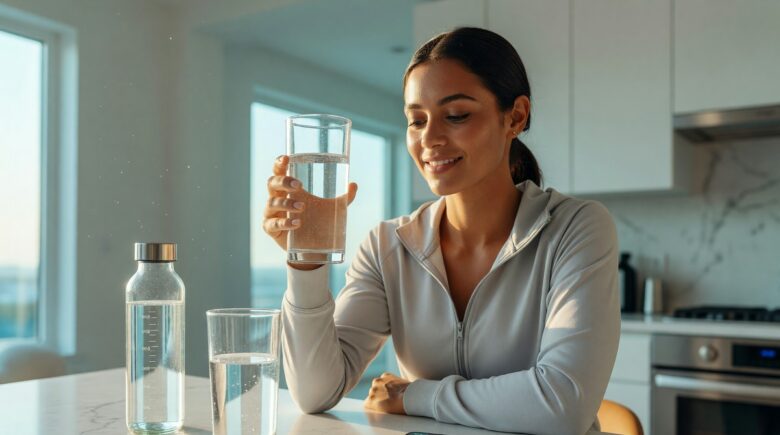
Water tracking apps turn a simple habit into a measurable routine by logging every glass, bottle, and refill throughout the day. According to the CDC’s hydration guidance, most Americans fall significantly short of recommended daily fluid intake, making automated reminders and visual progress tracking genuinely useful tools rather than novelties.
With dozens of options on the App Store and Google Play, choosing the right app matters. The best ones sync with wearables like Apple Watch, Garmin, and Fitbit, adjust goals dynamically based on activity data, and keep your health information private.
Key Takeaways
- The National Academies of Sciences, Engineering, and Medicine recommends 3.7 liters daily for men and 2.7 liters for women from all food and beverage sources. (Mayo Clinic)
- Exercise and heat can raise daily fluid needs by 1–2 liters, making dynamic goal adjustment a critical feature for active users. (Mayo Clinic)
- Hydro Coach supports 20+ custom drink types, making it the most flexible option for users tracking mixed beverage intake alongside plain water.
- Visual streak-based tracking measurably improves long-term hydration habit formation, according to research published by the National Institutes of Health.
- Premium water tracking apps cost $1.99–$4.99 per month, but free tiers from apps like Daily Water Tracker Reminder cover logging and reminders fully.
- Apps with Apple Watch and Wear OS complications allow one-tap wrist logging, the single most effective way to reduce logging delays and improve daily accuracy.
Which Water Tracking Apps Are Actually Worth Using?
The strongest water tracking apps combine accurate intake logging, customizable reminders, and solid integration with platforms like Apple Health and Google Fit. Here are the top performers across different user needs.
WaterMinder
WaterMinder is consistently ranked among the top hydration apps for iOS and Android. It calculates a personalized daily goal based on your weight, climate, and activity level, then sends interval-based push notifications to keep you on track. The interface is clean and fast, which makes it well-suited for users who want clear data without unnecessary complexity.
Hydro Coach
Hydro Coach uses a proprietary algorithm to set daily targets and adjusts them based on exercise logs pulled from connected fitness apps including Google Fit and Fitbit. It supports over 20 custom drink types, which is useful for users who track coffee, tea, and sports drinks alongside plain water. The free tier covers core functionality; the premium plan unlocks full history and detailed statistics.
Daily Water Tracker Reminder
Daily Water Tracker Reminder is a lightweight option with a strong track record on Android. It requires no account sign-up, stores data locally on your device, and delivers simple cup-by-cup logging. For privacy-conscious users, this local-first approach is a meaningful advantage, similar to choosing a messaging app that keeps your data off third-party servers.
Key Takeaway: The top water tracking apps, WaterMinder, Hydro Coach, and Daily Water Tracker Reminder, cover the full spectrum from algorithm-personalized goals to privacy-first local logging. Hydro Coach supports 20+ drink types, making it the most flexible option for users tracking mixed beverage intake. See Healthline’s hydration breakdown for context on daily targets.
What Features Should You Look for in Water Tracking Apps?
The most effective hydration apps share four core features: personalized goal-setting, smart reminders, platform integration, and data visualization. Apps missing more than one of these rarely sustain long-term use.
Smart Reminders
Reminder systems are the single biggest driver of habit formation in hydration apps. The best implementations use adaptive timing, spacing alerts based on your actual logging behavior rather than fixed hourly pings. Plant Nanny 2 takes a different approach entirely, using gamification by having users water a virtual plant, which makes reminders feel rewarding rather than intrusive.
Health Platform Integration
Integration with Apple Health, Google Fit, and wearables like Fitbit and Apple Watch allows apps to factor in sweat loss during workouts and automatically raise your daily target. According to Mayo Clinic’s fluid intake guidelines, exercise and heat significantly increase fluid needs. That makes dynamic goal adjustment a critical feature, not a bonus.
Data Privacy
Health data is sensitive. Before installing any hydration app, review its privacy policy to confirm whether your data is sold to third parties or shared with advertisers. This concern mirrors broader digital privacy issues. If you already take steps to secure your personal data after a breach, apply the same scrutiny to wellness apps.
Key Takeaway: Effective water tracking apps must offer adaptive reminders, health platform sync, and transparent data practices. Mayo Clinic confirms that exercise and heat can raise fluid needs by 1–2 liters per day, making dynamic goal adjustment a non-negotiable feature for active users.
| App | Platform | Free Tier | Health Sync | Best For |
|---|---|---|---|---|
| WaterMinder | iOS, Android | Limited | Apple Health, Google Fit | Visual trackers |
| Hydro Coach | iOS, Android | Full core features | Google Fit, Fitbit | Mixed beverages |
| Daily Water Tracker | Android | Full | None (local storage) | Privacy-first users |
| Plant Nanny 2 | iOS, Android | Limited | Apple Health | Gamification fans |
| Drink Water Reminder | iOS, Android | Full | Apple Health, Google Fit | Minimalist users |
How Much Water Should You Actually Be Tracking Each Day?
The National Academies of Sciences, Engineering, and Medicine recommends 3.7 liters (125 oz) of total daily water for men and 2.7 liters (91 oz) for women, from all food and beverage sources combined. These are baseline targets; your personal goal may be higher depending on circumstances.
Factors that increase daily requirements include high-intensity exercise, hot climates, pregnancy, breastfeeding, and certain medical conditions. Water tracking apps that pull activity data from Garmin, Apple Watch, or Whoop can automatically scale your target on hard training days. Manual logging simply cannot replicate that kind of real-time adjustment.
Research published by the National Institutes of Health shows that visual progress indicators and daily streak counters significantly improve habit adherence over time. Most apps let you set a manual baseline if you prefer not to connect wearable data, but the streak feature alone is worth keeping active regardless of your setup.
Mild dehydration, as little as 1–2% of body weight, measurably impairs concentration and reaction time, according to research from the University of Connecticut Human Performance Laboratory. That is a meaningful threshold that most people reach without noticing, which is precisely why consistent daily tracking has practical value beyond fitness goals.
Key Takeaway: The National Academies recommend 3.7 liters daily for men and 2.7 liters for women, but active individuals and those in hot climates need more. NIH research confirms that visual streak-based tracking meaningfully improves long-term hydration habit formation.
Are Paid Water Tracking Apps Worth the Cost?
Most premium water tracking apps cost between $1.99 and $4.99 per month, or a one-time purchase of $2.99 to $9.99. For the majority of users, a free tier with core logging and reminders is sufficient. Paid upgrades typically add detailed analytics, custom drink entries, and ad removal.
WaterMinder charges a one-time fee of approximately $4.99 for its full iOS version. Hydro Coach Premium runs around $2.49 per month and adds advanced statistics and unlimited drink categories. If you already track sleep with a dedicated app, pairing it with a hydration tracker creates a more complete picture of your daily wellness. The same logic applies to combining it with a sleep tracking app as part of a broader health routine.
Free options like Daily Water Tracker Reminder and Drink Water Reminder deliver solid core functionality with no subscription required. The decision comes down to whether you need wearable sync with devices like Apple Watch, Fitbit, or Garmin, plus cross-device history and advanced reporting. Those features are almost exclusively behind paywalls.
Key Takeaway: Premium water tracking apps cost $1.99–$4.99/month and are worth it primarily for wearable sync and detailed analytics. Free tiers from apps like Daily Water Tracker Reminder cover logging and reminders fully. See NIH habit research for evidence that consistent reminders alone drive better hydration outcomes regardless of app tier.
How Do You Get the Most Out of Water Tracking Apps?
Using a water tracking app effectively comes down to three habits: logging immediately after drinking, enabling smart reminders, and reviewing your weekly trend data. Delayed logging is the most common reason users fall off.
The most successful users pin their app widget to the home screen for one-tap logging. Several apps, including WaterMinder and Hydro Coach, offer Apple Watch and Wear OS complication support so you can log a drink directly from your wrist without unlocking your phone. That friction reduction has a measurable impact on consistency.
Linking your water tracker to your phone’s notification system is equally important. Managing app permissions efficiently, including which apps can send alerts, is a skill worth developing. If you already use your phone calendar to stick to a schedule, applying the same discipline to hydration reminders produces faster results.
Pair your water goal with a concrete trigger: drink a full glass upon waking, before each meal, and after every workout. These anchor habits reduce dependence on reminders and build genuine long-term hydration consistency over time.
Key Takeaway: The single highest-impact habit for water tracking app users is immediate post-drink logging. Delays of even 30 minutes cut daily logging accuracy significantly. Apps with wearable complications for Apple Watch and Wear OS remove that friction entirely. Pairing logging with CDC-recommended anchor habits maximizes long-term adherence.
Frequently Asked Questions
What is the best free water tracking app for Android?
Daily Water Tracker Reminder is the strongest free option for Android users. It requires no account, stores all data locally on your device, and covers basic logging and reminder features without ads on the base tier.
Do water tracking apps work with Apple Watch?
Yes. WaterMinder and Hydro Coach both offer Apple Watch complications that allow one-tap logging from your wrist. They also sync intake data with Apple Health automatically, so your hydration history appears alongside other health metrics.
How accurate are water tracking apps at calculating daily goals?
Apps that factor in body weight, activity data from connected wearables like Garmin or Fitbit, and environmental conditions are significantly more accurate than those using a generic 8-glasses-per-day default. According to Mayo Clinic, individual fluid needs vary widely, and personalized calculators consistently outperform one-size-fits-all targets.
Are water tracking apps safe for my health data?
Safety depends on the app’s specific privacy policy. Apps that use local storage, like Daily Water Tracker Reminder, keep your data entirely on your device. Apps syncing to cloud servers should be evaluated for data-sharing and third-party advertising practices before you grant access.
Can water tracking apps help with weight loss?
Hydration has a documented role in metabolism and appetite regulation. Drinking water before meals is associated with reduced caloric intake across multiple studies. Water tracking apps support this by making it easier to hit intake targets consistently, though they are a supportive tool rather than a standalone weight-loss solution.
How many reminders per day do the best water tracking apps send?
Most top apps default to 8–12 reminders per day, spaced across waking hours. The best implementations, including Hydro Coach’s adaptive system, adjust reminder frequency based on how close you are to your daily goal, reducing notifications once you are on track.