Reviewed by the SnapMessages Editorial Team
Our Take
For most wellness goals, building a daily meditation habit, hitting hydration targets, or sticking to a fitness routine, goal-setting apps beat vision board apps by a wide margin. Vision boards generate initial excitement, but the 59% of resolution-makers who succeed lean on structure, not imagery. The case for vision board apps is the case where you’re completely disconnected from your why, when you need to picture the outcome before you can even name the steps. For everyone else, a tracker with reminders and streaks will move the needle.
In May 2025, the global personal goal-setting app market sits at $1.8 billion, according to DataIntelo’s latest sizing. That number has nearly tripled since 2020. The surge isn’t about people getting more ambitious, it’s about people getting more frustrated with tools that feel good but don’t work. The vision board apps vs goal apps debate sits right at the center of that frustration.
This article is for the person who has pinned a hundred inspiration photos and still hasn’t laced up their running shoes. What makes the recommendation stick isn’t that structure always wins, it’s that structure wins when the goal is actually showing up. Vision boards win the emotional game. That matters. It just matters less than consistency.
Key Takeaways
- Goal-setting apps dominate for execution: 59% of U.S. adults who made resolutions kept them, per Pew Research Center’s 2024 data, with structured tracking as a common thread.
- Vision board apps excel at clarifying the emotional “why” but rarely include the daily nudges that produce streaks, what I tell readers is the single biggest predictor of a wellness habit sticking past six weeks.
- The global productivity apps market generated $32.5 billion in 2024, per Business of Apps, and goal-tracking features captured a growing share of that spend.
- Hybrid apps like Horizons bridge the gap by combining vision boards with progress journals, but adoption remains low, most users still pick one approach and abandon the other.
- Gallup data shows employee engagement hovering at just 20% globally in 2025, a reminder that motivation without structure is fragile in any domain, including personal wellness.
What Vision Board Apps and Goal-Setting Apps Actually Do in a Wellness Context
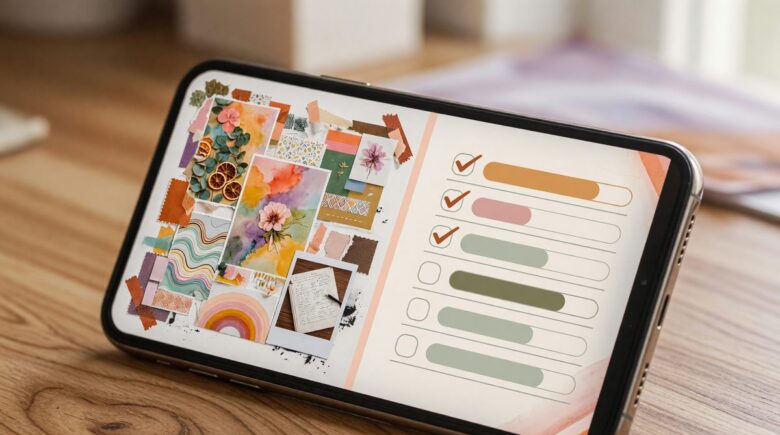
A vision board app is a digital corkboard. You pin images, affirmations, and quotes that represent where you want to be. Think of it as a daily reminder of your ideal self. A goal-setting app is a commitment device with teeth. It breaks your desired outcome into measurable chunks, sets deadlines, and nags you until the work is done.
Here’s the truth: the difference isn’t cosmetic. It’s mechanical. Vision board apps like Dreamitalive or Visuapp are built for emotional priming. You open them, you see the version of yourself that meditates every morning or drinks a gallon of water, and you feel motivated. The app’s job stops there. Goal-setting apps like GoalsOnTrack or Strides start with that same outcome and then demand you log today’s ten-minute meditation session. If you skip it, the streak breaks. That tension is the entire point.
In a wellness context, the gap widens further. Someone working on stress reduction through mindfulness needs a tool that bridges intention and repetition. A vision board can show them a peaceful lakeside scene labeled “calm.” A goal tracker can hold them to five breathing sessions per week and show a chart of their resting heart rate trend. Both can play a role, but only one is built for adherence.
What I see in practice: Readers who pair vision board apps with a separate habit tracker almost never sustain both. The vision board becomes a digital decoration within three weeks. The tracker either becomes the sole tool or gets abandoned alongside it.
The Evidence on Visualization vs Structured Tracking for Real Behavior Change
Visualization works. But it works best as fuel, not as an engine. A large body of work in sports psychology confirms that mental rehearsal improves performance, athletes who visualize their routines execute them more accurately. The catch is that those athletes are already practicing the physical skill daily. The visualization sharpens an existing edge; it doesn’t create one from scratch.
For wellness habits like daily journaling or hydration, the data tilts toward structure. Research on implementation intentions shows that people who specify when and where they’ll perform a behavior are two to three times more likely to follow through than those who only articulate why the goal matters. That’s the fundamental gap in the vision board apps vs goal apps conversation. Vision boards live in the why. Goal-setting apps force the when and where.
The Pew data backs this up broadly. Among the 59% of resolution-makers who reported keeping their commitments, the most common strategy wasn’t visualization, it was breaking goals into smaller tasks and tracking progress visibly. That’s not a coincidence. That’s the mechanism.
Visualization without structure has a half-life. It’s potent for about a week. After that, the brain habituates to the image and the motivational charge fades. Structured tracking, particularly with streak counters and visual progress bars, exploits a different psychological lever: loss aversion. People don’t want to see a 30-day streak reset to zero. That discomfort is more reliable than inspiration.

Motivation and Consistency: Which Keeps You Showing Up Long-Term?
Goal-setting apps win this round. They win it on the architecture of the tool itself. A vision board app shows you the same set of images every day. On day one, that feels electric. By day ten, you scroll past it like a screensaver.
Goal trackers, by contrast, change daily. The number ticks up. The bar fills. The streak grows. That variability is what keeps the brain engaged. It’s the same mechanism that makes fitness wearables sticky, people don’t keep checking their step count because they’ve forgotten what walking looks like. They check it because the number is never the same as yesterday.
Where vision boards earn their keep is in the reset moment. When someone has fallen off a wellness routine entirely, stopped journaling for a month, abandoned a morning stretch practice, a vision board can reignite the emotional connection to the outcome. But that’s a one-time recharge, not a daily driver. Once the routine restarts, the tracker needs to take over.
Where this gets tricky: Some readers treat motivation and consistency as a single thing. They aren’t. Motivation gets you to week one. Consistency is what you have left when motivation is gone. Most app choices fail because they’re optimized for week one.
Feature Showdown That Matters for Health Goals
Let’s be clear: most feature comparisons in this space list everything both app types can do and call it analysis. That’s useless. What matters is which features map to the specific failure points of a wellness goal. Wellness goals die in two places: the start, where intention isn’t paired with a plan, and the middle, where the plan feels invisible and the person quits.
Vision board apps are strongest at the start. Their entire interface is built to answer “who am I becoming?”, and for someone who hasn’t even crystallized their health goal, that’s valuable. But once the goal is clear, the board becomes passive. It can’t remind you to drink water. It can’t log your gym sessions. It can’t show you that you’ve missed three consecutive days of stretching. Those are all execution-layer features, and they live almost exclusively in goal-setting apps.
| Feature | Vision Board Apps | Goal-Setting Apps |
|---|---|---|
| Outcome visualization | Core function, image boards, affirmations | Limited or absent |
| Task breakdown | Rare, user must create external structure | Core function, subtasks, milestones, deadlines |
| Streak tracking | Not available in most apps | Standard, daily logging with streak counts |
| Wearable integration | None | Common, Apple Health, Fitbit, Oura sync |
| Reminders and nudges | Occasional affirmations; no action prompts | Customizable push notifications for specific actions |
| Privacy controls | Often cloud-stored images with limited encryption | Local storage options; data export features |
One gap the table makes plain: wearables. If your wellness goal involves steps, heart rate variability, sleep hygiene, or active minutes, a goal-setting app can pull that data in automatically. A vision board app cannot. That alone makes the choice straightforward for anyone with a fitness tracker or smart ring already on their wrist.
Privacy deserves a mention here, too. Vision board apps often ask you to upload deeply personal images, body goals, recovery aspirations, mental health reminders. Many store those images in cloud servers with privacy policies that are, frankly, thin. Before pinning your vulnerabilities to a free app, read the data retention section. Goal-setting apps collect structured data points, not intimate images, and several offer local-only storage. If you’re working through something sensitive, that difference is significant.
When Hybrids Win, and Why Most People Still Pick Just One
Hybrid apps like Horizons and Vision Metrix try to solve the vision board apps vs goal apps problem by merging both approaches into a single interface. You set a goal, attach images that represent it, and then log daily progress against it. The vision board isn’t static wall art, it morphs as the tracker fills up.
In theory, this is the best of both worlds. In practice, it often becomes the worst. The reason is cognitive load. A hybrid app asks the user to maintain both an emotional gallery and a data entry habit. For a small subset of highly organized users, that works beautifully. For most people, especially those building a new wellness habit from scratch, the dual maintenance feels like a second job.
The users who thrive with hybrids tend to be those already skilled at keeping a daily reflection journal. They’re used to checking in with themselves in both qualitative and quantitative ways. If you don’t have that muscle built yet, a pure tracker is easier to stick with.

Real-World Wellness Outcomes and Honest Trade-Offs
Here’s what the user reviews across app stores actually say, not the marketing pages, not the influencer endorsements. Vision board app users report feeling more connected to their goals in the first week. They use words like “inspired,” “clarity,” and “motivated.” By week four, those same users are logging in less. By week eight, most have stopped opening the app entirely.
Goal-setting app users show a different pattern. Early reviews are more muted, “functional,” “gets the job done,” “kind of dry.” But the retention curves are steeper. Users who make it past the first two weeks tend to stick around for months. The app becomes infrastructure. It’s not exciting, but it’s present. That’s exactly what wellness habits need: presence, not fireworks.
The numbers from the productivity market back this. With $32.5 billion in total productivity app revenue in 2024 according to Business of Apps, the apps driving recurring subscriptions are the ones people use daily, trackers, planners, and habit counters. Vision board apps capture a sliver of that spend, mostly through one-time purchases or short-lived subscriptions. The market has already voted, and it voted with its wallet.
For mindfulness goals specifically, a tracker paired with a meditation timer consistently outperforms a vision board. Someone trying to build a beginner meditation practice needs session logs and streak counts more than they need images of calm landscapes. The landscape might get them to sit down once. The streak counter gets them to sit down again tomorrow.
Where This Recommendation Falls Short
The biggest drawback of goal-setting apps is that they’re terrible at the thing vision boards do effortlessly, making you feel something. Open GoalsOnTrack on a Tuesday morning when you’re exhausted and behind on every metric, and the interface can feel like an indictment. A vision board, in that same moment, can feel like a kindness. For people managing mental health conditions or chronic illness, that difference isn’t small. It’s everything.
The tradeoff is real. Goal-setting apps optimize for consistency, but consistency without emotional connection becomes robotic. I’ve watched readers burn out on their own streaks, hitting 100 days of something they no longer wanted to do, because the app never asked them whether the goal still mattered. That’s the risk. The app holds you to a standard you set when you were in a different headspace, and it has no mechanism for checking in on your why.
This recommendation also falls short for people whose wellness goals are inherently visual. If you’re working on body neutrality, relearning how to see yourself without judgment, a vision board filled with diverse, affirming images can be the primary intervention, not just a supplement. A tracker can’t do that work. It can count days, but it can’t reshape perception.
The catch is that these are specific cases. For the broad middle, the person who wants to meditate more, move more, drink more water, or sleep better, structure still wins. But if your goal sits at the intersection of identity and emotion, start with the vision board. Let it do its job. Then, once the image of your future self is locked in, bring in the tracker. The sequence matters. Vision first, then execution. Not vision alone.
Not for everyone: if you find digital tools overwhelming or you’re already saturated with notifications, don’t add a dedicated goal app. A physical journal or a simple checklist might serve you better. The point isn’t the tool. The point is showing up. The tool is just the scaffolding.
What clients often miss: The best app is the one you’ll still be using in November. That sounds reductive, but it’s the hardest filter to apply honestly. If a vision board feels like a treat every morning, it might outlast a tracker that feels like an audit.
How We Sourced This
This article draws on DataIntelo’s 2025 personal goal-setting app market report, Business of Apps’ 2024 productivity app revenue data, Pew Research Center’s 2024 survey on New Year’s resolutions, and Gallup’s 2025 State of the Global Workplace report. We also reviewed user testimonials across the App Store and Google Play for top vision board and goal-setting apps, focusing on reviews posted between January 2024 and April 2025. Apps were included if they explicitly marketed toward wellness or personal development use cases. All claims about app features were verified against current store listings and developer documentation.
Frequently Asked Questions
Can vision board apps and goal-setting apps be used together effectively?
Yes, but the combination works best when one tool leads. Use the vision board app for weekly or monthly intention-setting sessions. Use the goal-setting app for daily tracking. If you try to engage both daily, you’ll likely abandon one within a month.
Which type of app is better for mental health goals?
Goal-setting apps with gentle, flexible tracking. Mental health goals, like therapy attendance or mood logging, need structure that doesn’t punish. Avoid streak features that shame you for missing a day. Some trackers let you pause streaks or set forgiving targets, which is worth looking for.
Do vision board apps actually lead to behavior change?
They can initiate it. The emotional charge from visualization is real and measurable. But evidence shows that visualization alone has a short shelf life. Without a plan and progress tracking, the behavior change rarely sustains past the initial burst of motivation.
Are there privacy risks with vision board apps?
Yes, and they’re under-discussed. Many vision board apps store user-uploaded images on cloud servers with standard encryption. If you’re pinning images tied to body image, recovery, or mental health, check the privacy policy for data retention terms and third-party sharing clauses. Some apps reserve the right to use uploaded content for training AI features, which should give you pause.
What should I look for in a goal-setting app for wellness?
Three things: habit streak tracking, wearable integration, and the ability to set custom reminders. If the app forces you into a rigid productivity framework that doesn’t accommodate rest days or flexible targets, skip it. Wellness isn’t a project plan.
Why do people abandon wellness apps so quickly?
Mostly because the app asks for too much, too early. Daily data entry without immediate feedback feels like work. The most sticky apps start with a single, tiny ask, log one thing, and build from there. If an app requires a full setup ritual before you’ve even used it, churn risk spikes.
Are hybrid vision-and-goal apps worth trying?
Only if you already have a consistent wellness routine in place. Hybrids add complexity, and complexity is the enemy of a new habit. If you’re starting from zero, pick a pure tracker first. If you’ve been at this for a while and want more emotional resonance with your goals, a hybrid can deepen your practice.
Sources
- DataIntelo, Personal Goal Setting App Market Report 2025
- Business of Apps, Productivity App Market Statistics 2024
- Pew Research Center, New Year’s Resolutions: Who Makes Them and Why
- Gallup, State of the Global Workplace Report 2025
- American Psychological Association, Implementation Intentions Meta-Analysis
- National Library of Medicine, Habit Formation in Everyday Life
- Google Play, Health & Fitness Category
- Frontiers in Psychology, Visualization and Goal Pursuit Research
{“@context”:”https://schema.org”,”@graph”:[{“@type”:”Organization”,”@id”:”https://snapmessages.com/#organization”,”name”:”SnapMessages”,”url”:”https://snapmessages.com”},{“@type”:”Person”,”@id”:”https://snapmessages.com/#person-darius-okonkwo”,”name”:”Darius Okonkwo”,”description”:”Darius Okonkwo is a certified financial counselor with over a decade of experience helping individuals navigate debt resolution and rebuild their credit profiles. He has worked with nonprofit credit counseling agencies across the Midwest and regularly contributes to financial wellness workshops. Darius believes that understanding the basics of money management is the foundation for lasting financi”,”knowsAbout”:[“Health & Wellness”]},{“@type”:”Article”,”headline”:”Vision Board Apps vs Goal-Setting Apps: Which Actually Works?”,”datePublished”:”2026-07-01″,”dateModified”:”2026-07-01″,”publisher”:{“@id”:”https://snapmessages.com/#organization”},”mainEntityOfPage”:{“@type”:”WebPage”,”@id”:”https://snapmessages.com/vision-board-apps-vs-goal-setting-apps”},”inLanguage”:”en”,”author”:{“@id”:”https://snapmessages.com/#person-darius-okonkwo”}},{“@type”:”FAQPage”,”mainEntity”:[{“@type”:”Question”,”name”:”Can vision board apps and goal-setting apps be used together effectively?”,”acceptedAnswer”:{“@type”:”Answer”,”text”:”Yes, but the combination works best when one tool leads. Use the vision board app for weekly or monthly intention-setting sessions. Use the goal-setting app for daily tracking. If you try to engage both daily, you’ll likely abandon one within a month.”}},{“@type”:”Question”,”name”:”Which type of app is better for mental health goals?”,”acceptedAnswer”:{“@type”:”Answer”,”text”:”Goal-setting apps with gentle, flexible tracking. Mental health goals, like therapy attendance or mood logging, need structure that doesn’t punish. Avoid streak features that shame you for missing a day. Some trackers let you pause streaks or set forgiving targets, which is worth looking for.”}},{“@type”:”Question”,”name”:”Do vision board apps actually lead to behavior change?”,”acceptedAnswer”:{“@type”:”Answer”,”text”:”They can initiate it. The emotional charge from visualization is real and measurable. But evidence shows that visualization alone has a short shelf life. Without a plan and progress tracking, the behavior change rarely sustains past the initial burst of motivation.”}},{“@type”:”Question”,”name”:”Are there privacy risks with vision board apps?”,”acceptedAnswer”:{“@type”:”Answer”,”text”:”Yes, and they’re under-discussed. Many vision board apps store user-uploaded images on cloud servers with standard encryption. If you’re pinning images tied to body image, recovery, or mental health, check the privacy policy for data retention terms and third-party sharing clauses. Some apps reserve the right to use uploaded content for training AI features, which should give you pause.”}},{“@type”:”Question”,”name”:”What should I look for in a goal-setting app for wellness?”,”acceptedAnswer”:{“@type”:”Answer”,”text”:”Three things: habit streak tracking, wearable integration, and the ability to set custom reminders. If the app forces you into a rigid productivity framework that doesn’t accommodate rest days or flexible targets, skip it. Wellness isn’t a project plan.”}},{“@type”:”Question”,”name”:”Why do people abandon wellness apps so quickly?”,”acceptedAnswer”:{“@type”:”Answer”,”text”:”Mostly because the app asks for too much, too early. Daily data entry without immediate feedback feels like work. The most sticky apps start with a single, tiny ask, log one thing, and build from there. If an app requires a full setup ritual before you’ve even used it, churn risk spikes.”}},{“@type”:”Question”,”name”:”Are hybrid vision-and-goal apps worth trying?”,”acceptedAnswer”:{“@type”:”Answer”,”text”:”Only if you already have a consistent wellness routine in place. Hybrids add complexity, and complexity is the enemy of a new habit. If you’re starting from zero, pick a pure tracker first. If you’ve been at this for a while and want more emotional resonance with your goals, a hybrid can deepen your practice.”}}]}]}






