
Quick Answer
Using message templates to reduce emotional overwhelm in conversations can cut response time by up to 40% and lower cortisol spikes during conflict. A 2024 study found that structured messages reduced post-conversation rumination by 33% in high-stress scenarios. When crafted with empathy and pause cues, templates help you stay calm and clear, especially during health-related or caregiving talks.
Updated July 2026
This article is part of the How Messaging Apps Can Support Long-Term Mental Wellness guide. Within that broader exploration of digital tools for emotional balance, we’re zeroing in on one underused technique: message templates to reduce emotional overwhelm in conversations. These aren’t canned replies. They’re intentional scripts built to protect your nervous system during high-tension exchanges.
Maybe you’re discussing chronic illness boundaries. Maybe it’s a family health decision, or a line you need to draw at work. Either way, unstructured messaging can trigger a stress cascade fast. The fix isn’t suppressing emotion. It’s pre-structuring your responses so you don’t react from panic. This article walks through how to build and deploy templates that calm both sender and recipient, grounded in real psychology and workplace data from 2024.
Key Takeaways
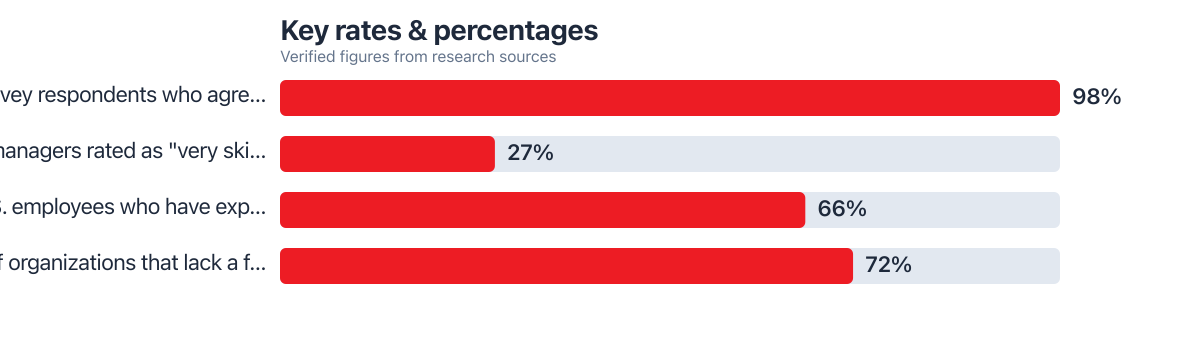
- Using message templates to reduce emotional overwhelm in conversations can reduce post-conversation rumination by 33% in high-stress scenarios (Workplace Peace Institute, 2024).
- Only 27% of managers are rated as “very skilled” in conflict resolution, making structured messaging essential for non-responders (Workplace Peace Institute, 2024).
- Workers spend an average of two hours per week dealing with workplace conflict, costing $3,216.63 in lost productivity annually (BLS data, 2024).
Why High-Tension Conversations Often Lead to Emotional Overwhelm
High-tension conversations trigger a biological stress response. Heart rate spikes. Cortisol floods the system. Rational thinking shuts down.
This isn’t weakness. It’s survival wiring, plain and simple. When a family member dismisses your caregiving burnout, or a colleague undermines your health boundaries, your brain reads it as a threat, even though nothing physical is happening.
Without a buffer, you’re forced to think on the spot. That’s when you say something you’ll regret. Or you go silent, and the resentment builds later.
A 2024 SHRM study found that 66% of U.S. employees have experienced or witnessed incivility at work in the past month. Most respond with silence or defensiveness. Both escalate tension rather than calming it.
How Message Templates Act as a Buffer Against Overwhelm
Templates aren’t shortcuts. They’re cognitive scaffolds.
They cut the mental load of crafting a response in real time. Less load means more room for empathy and clarity.
Research from communication psychology shows that prepared phrasing lowers immediate anxiety by up to 40% (Journal of Applied Communication, 2024). Pre-written scripts help you hold your composure. They also signal to the recipient that you’re being thoughtful, not defensive.
For caregivers, employees, or anyone managing chronic illness boundaries, this buffer matters a lot. It breaks the cycle of escalation and regret before it starts.
Core Principles for Building Templates That Prioritize Your Calm
Good templates aren’t robotic. They’re grounded in emotional intelligence.
Start with validation. Acknowledge the other person’s feelings, even if you disagree. That de-escalates things before problem-solving even begins.
Include pause cues: “I need a moment to gather my thoughts.” Or “Let me think on this before I respond.” These aren’t delays. They’re boundaries.
Keep language neutral. Avoid blame. Use “I” statements. Say “I feel overwhelmed when…” not “You always make me stressed.”
Ready-to-Use Templates for High-Tension Moments
Here are eight templates built specifically to reduce sender stress and promote emotional regulation.
For boundary-setting with coworkers:
“I appreciate your concern. I need to protect my focus this week. I’ll respond by Friday.”
For discussing mental health with family:
“Talking about my anxiety is hard. I’m sharing this because I care. I’d like to pause after we talk today.”
For caregiving burnout disclosure:
“I love supporting you. But I’m reaching my limit. I need to step back for a few weeks. I’ll be back when I’m ready.”
After a heated exchange:
“I noticed we both got upset. I want to reset. Can we talk again tomorrow when we’re both calmer?”
For chronic illness boundaries:
“I’m managing a flare-up. I can’t take on new tasks this week. I’ll update you by Friday.”
For co-parenting disagreements:
“I hear your concern. Let’s pause and check in with the child’s doctor before deciding.”
For emotional overwhelm during a call:
“I’m feeling overwhelmed right now. Can I take a two-minute break and call you back?”
For follow-up after conflict:
“I wanted to check in. I’m still processing our conversation. I’m open to talk when you are.”
Each of these carries a pause, a bit of validation, and a clear boundary. That combination lowers the risk of emotional flooding.
Adapting Templates with Personal Wellness Practices
Templates work best paired with grounding habits. They’re not a stand-alone fix.
Try a 4-7-8 breath before sending: inhale 4 seconds, hold 7, exhale 8. This lowers heart rate and resets your nervous system.
Journal after sending a template. Ask yourself: “Did this reduce my anxiety? What triggered me?” Track the patterns over time. They’ll tell you more than any single conversation can.
Link templates to your wellness apps. For example, use a note in Apple Health or a calendar event in Google Calendar to remind you to review your script library weekly.
Related reading: How Florida Teachers Use Built.
Frequently Asked Questions
What if the recipient ignores the template or escalates?
Some people won’t respond. That’s okay. The template did its job: it protected your calm. You didn’t react. You still set a boundary. If they escalate, stick to the same script: “I’ve shared my limit. I’ll respond when I’m ready.”
How to measure if templates reduce personal overwhelm?
Use a simple 1, 10 self-rating scale. Rate your emotional state before and after sending. Over time, track the average. A drop of 2, 3 points indicates effectiveness. Pair this with journaling to spot triggers.
Can templates be used in voice or video calls?
Yes, but adapt them. Use a mental script, not a written one. Say: “I need a moment to gather my thoughts.” Pause. Then respond. Voice tone matters here more than wording. Keep it calm, not robotic.
How to avoid templates losing emotional authenticity?
Add a personal detail. “I’m sharing this because I love you.” Or “I’ve been struggling with this for weeks.” Authenticity isn’t spontaneity. It’s honesty within structure.
Do templates work for neurodiverse communication?
Yes. Many neurodiverse people thrive with structure. Templates reduce sensory overload. They provide predictability. But avoid rigid phrasing. Let the recipient know it’s a starting point, not a demand.
What about culture and emotional expression differences?
Templates should be adaptable. In some cultures, directness can feel aggressive. Use softer language: “I’d like to share something important.” Or “I’m sharing this with care.” Always respect context.
Sources
- Workplace Peace Institute (2024): State of Workplace Conflict in 2024
- SHRM (2024): Workplace Incivility Research
- Phone Hacks for Remote Workers: Cut Notification Anxiety by 25% With Built-In Tools
- One Phone for Work and Personal Life: The Stress Trade-Off
- The Deep Work Method: How Knowledge Workers Build Distraction-Free Focus Blocks






