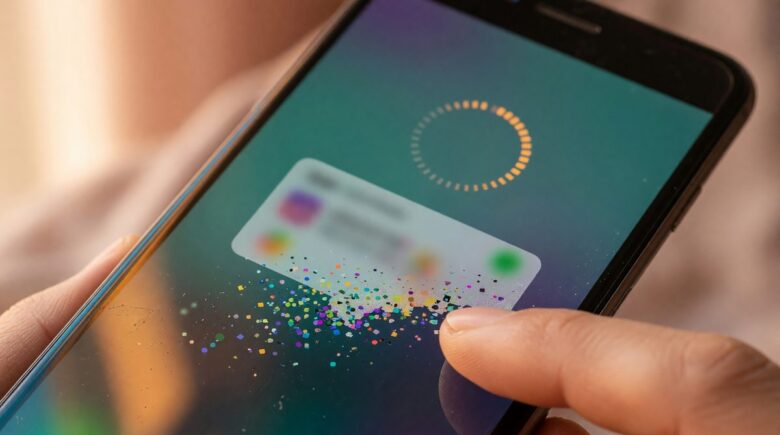
Disappearing Messages Explained: How WhatsApp, Signal, and Telegram Keep Your Chats Private
See how disappearing messages work across WhatsApp, Signal, and Telegram—and what privacy gaps remain even after they vanish.
Read MoreSee how disappearing messages work across WhatsApp, Signal, and Telegram—and what privacy gaps remain even after they vanish.
Read MoreLearn about send anonymous messages. Discover the safest ways to message anonymously online — no account, no identity, no trace.
Learn about how to schedule a text message. Discover built-in tools and top apps to send timed texts on iPhone and Android automatically.
iMessage serves 1.3 billion Apple users with built-in encryption, while Google Messages leads on Android with RCS support for over 1 billion. Here’s how they compare.
Every major messaging app lets you delete messages, but most show a notification anyway. Learn which platforms hide it best and how to act fast enough to avoid the receipt.
Threaded replies can reduce team notifications by up to 60%, but Slack, Teams, and Zulip each handle threading differently. Here’s how the structure affects your focus.
Scheduled texts can improve mental health scores by 20.9% over six weeks. Here’s how message scheduling apps work across iOS 18, Android, and business platforms.
The average U.S. user gets 46 push notifications a day—but not all are equal. Here’s how messaging apps choose what interrupts you, and when silence is smarter.
55% of U.S. gamers play with others weekly — here’s how gaming messaging apps like Discord keep raid teams, strategy docs, and social bonds alive between sessions.
50% of remote workers now prefer messaging apps over email for client communication. Here’s how freelance designers use them to streamline feedback and get paid faster.
Discord holds 5,000 users in a single voice channel and costs nothing — Slack powers 77 of the Fortune 100. Here’s which platform actually fits your team’s needs.

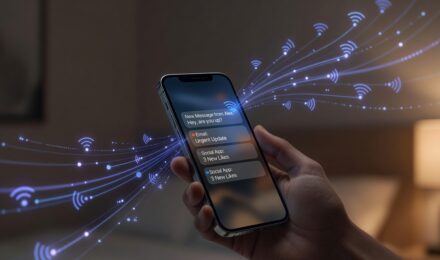
Every push notification hops through an app server, APNs or FCM, and your device OS in under 1 second. Here's exactly how that three-layer system works.
Read More
Teams using async-first communication report 40% fewer unnecessary meetings. Here's how asynchronous messaging works and why distributed teams are adopting it.
Read More
iOS 18 replaced SMS with RCS for Android texts. Get read receipts, typing indicators, and better media—but learn why iMessage still wins on encryption.
Read More
Signal, WhatsApp, and Snapchat each delete messages differently — and timers range from 1 second to 7 days. Here's what "disappearing" actually means on each platform.
Read More