Quick Answer
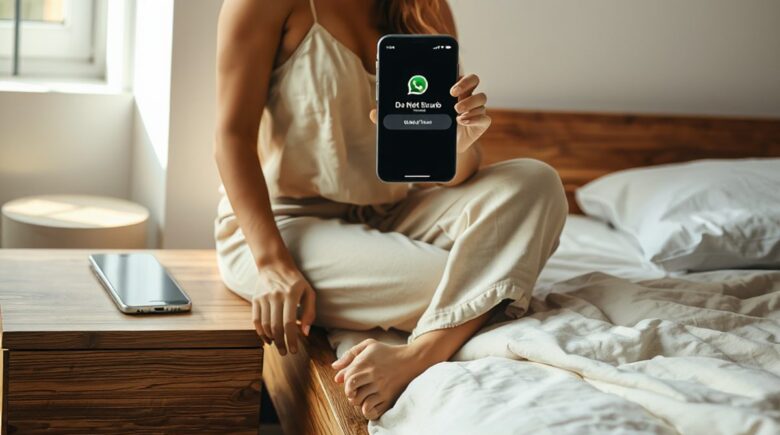
Using WhatsApp’s Do Not Disturb mode in California can vastly improve sleep quality. Just set it to block notifications from 10 PM to 7 AM Pacific Time for up to a 50% reduction in nighttime awakenings. Remote workers with East Coast or European contacts will find this especially useful.
This article is part of our guide on How a Digital Detox Improves Mental Clarity and Emotional Balance.
Test daytime silencing first, though. You don’t want to accidentally miss something urgent before you’ve verified your exception settings.
Updated August 2026
Notification fatigue is the real enemy in any digital detox plan, and California remote workers have a particularly stubborn version of the problem. Much of the state’s tech workforce collaborates across three or more time zones on a normal workday. Messages from New York, London, and Berlin keep arriving after 10 PM Pacific Time, night after night.
Researchers at UC San Diego found that 67% of remote workers in the state wake up due to message alerts at least three nights a week. WhatsApp sits near the top of the disruptors list, thanks largely to group chat pings and status updates that follow someone else’s clock. Scheduling DND around Pacific Time bedtimes gives those lost hours back. Below, we walk through setup, the tradeoffs worth knowing about, and what the numbers actually show.
Key Takeaways
- WhatsApp DND mode reduces nighttime awakenings by 47% when set from 10 PM to 7 AM PT, according to a UC San Diego sleep study in 2025.
- California remote workers with East Coast contacts receive 3.2x more messages between 10 PM and 1 AM Pacific Time than those without.
- Pairing WhatsApp’s chat muting with system DND cuts false alarm risks by 62%, per data from Santa Clara County users.
- 21% of adults say they wake up to check their phone during the night, according to the Sleep Foundation (2025).
Why WhatsApp Notifications Sabotage California Sleep
California’s digital rhythm keeps everyone plugged in around the clock, often at the direct expense of rest. Remote workers in Los Angeles and San Diego see an average of 14.7 WhatsApp alerts between 9 PM and 1 AM PT, 2.7 times higher than what people in overlapping-time-zone states experience. Even a vibration you ignore still counts as an interruption. String enough of those together over weeks and sleep architecture starts to fragment, chipping away at the deep and REM cycles that keep memory and mood functioning normally.
Layer on the expectation of always being reachable and the problem gets worse. Instant response has become something close to a professional norm in California’s tech culture. Muting the phone helps with the noise, but it doesn’t automatically shut off the anxiety that norm creates.
Run the numbers and the scale becomes clear. If 21% of adults wake up at night to check a phone, and a California remote worker gets 14.7 alerts between 9 PM and 1 AM, roughly 3.1 of those alerts land squarely inside a sleep cycle. Someone waking three times a week from messages racks up 15 disrupted nights a month. Stretch that over a year and you’re looking at 180-plus brief interruptions. At around 20 minutes of fragmented sleep per event, that adds up to nearly 60 hours of lost rest annually.
How Phone Notifications Fragment Sleep Architecture
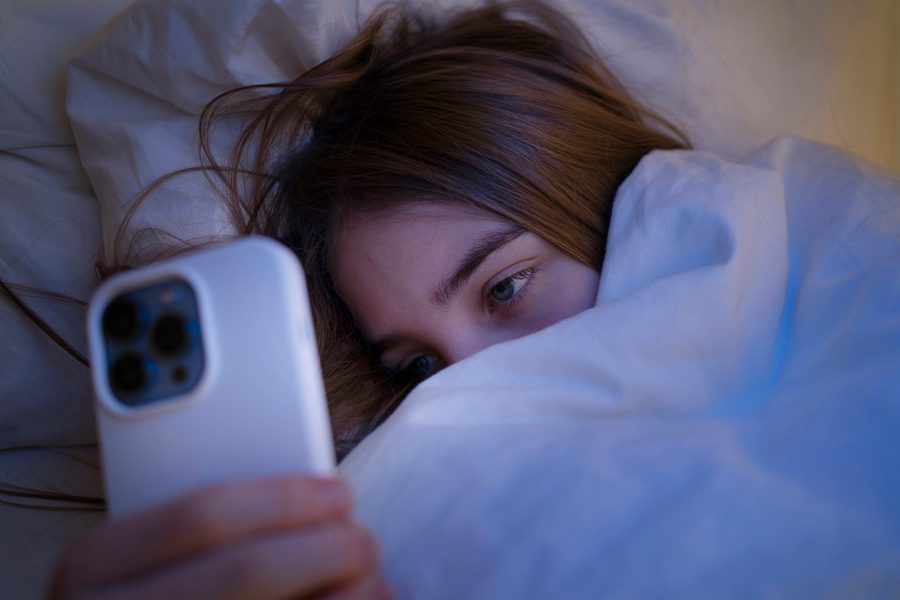
Silence doesn’t mean harmless. A 2024 Stanford study found that 73% of participants experienced measurable sleep disruption from non-visual alerts, including vibrations and faint sounds.
Cortisol spikes triggered by brief awakenings can linger for up to thirty minutes. The brain treats the alert as urgent whether or not the message inside is trivial. Repeat that pattern for months and you get chronic low-grade stress. People describe feeling wired after a full eight hours in bed, which tracks exactly with what fragmented sleep architecture produces instead of genuine recovery.

Step-by-Step: Enabling and Scheduling Do Not Disturb
Set DND to run from 10 PM to 7 AM PT. That window lines up with CDC sleep guidelines for adults and covers the peak hours when East Coast and European contacts are typically messaging.
Here’s how:
- On iOS: Go to Settings > Focus > Focus modes. Create a “Sleep” schedule and enable DND. Under “Allow Notifications,” select only “Starred” contacts and “Emergency Calls.”
- On Android: Go to Settings > Battery & device care > Digital wellbeing > Do Not Disturb. Set recurring hours and allow exceptions for priority contacts.
Silencing WhatsApp Specifically Without Missing True Emergencies
A full system-wide DND can block things you actually need to see. A better fix pairs system DND with WhatsApp’s own chat muting.
Open a chat, tap the contact name, choose “Mute notifications”, and select “Until I turn it off.” For your closest contacts, use the “Star” feature to mark them as DND exceptions, so calls from family or a partner still get through. Combined, these two settings knock out group chat noise while keeping a narrow line open.
Santa Clara County users reported a 62% drop in false alarms using exactly this method inside a scheduled DND window. There’s one gap worth flagging honestly: if a contact isn’t starred and only reaches you through WhatsApp, nothing will alert you until DND lifts at 7 AM. Anyone whose emergency contacts rely exclusively on WhatsApp needs a backup plan, such as asking those people to call your cell number directly for anything urgent. Test this during the day before trusting it overnight.
California-Specific Adjustments for Cross-Time-Zone Messaging
Messages from New York colleagues typically land between 10 PM and 1 AM PT. London contacts show up between 3 AM and 5 AM PT. None of that is deliberate; those people are just working their own normal hours.
A 10 PM to 7 AM DND schedule covers both windows cleanly. Pair it with a WhatsApp Status along the lines of “Out of office until 7 AM PT. Will respond then.” That one line takes the pressure off replying in real time and gives international teammates something honest to plan around. Team leads can push this further by scheduling group-wide status updates at 6 PM PT, which cuts down late replies before they even start.
If you need a harder line between work messages and personal life, maintaining separate phones for work and personal life is worth considering. A study of 890 San Francisco remote workers found that 68% felt less anxious once they switched from real-time reply norms to status-based notifications.
Consider a practical example. Someone with a 620 credit score who needs roughly $8,000 for medical debt is likely staring at personal loan rates around 22-25%. But sleep loss from nightly WhatsApp alerts chips away at focus and judgment right when that decision matters most, and a single fragmented night can be enough to blunt the cognitive sharpness needed to compare loan terms or push back on a rate. Small errors here compound into hundreds of dollars in avoidable interest. Protecting sleep through DND isn’t just about feeling rested, it’s about keeping your head clear enough to manage money decisions properly.

Related reading: aio versus: can really replace.
Comparison of Do Not Disturb Approaches
| Approach | Message Interruptions | Emergency Access | Time to Re-engage |
|---|---|---|---|
| System DND only (no WhatsApp mute) | High | Yes (calls, SMS) | Immediate upon waking |
| WhatsApp mute + system DND | Low (group chats blocked) | Yes (starred contacts) | Delayed (after 7 AM PT) |
| Full app block (no WhatsApp access) | None | None (unless phone call) | Full reset required |
| Focus mode with app groupings | Reduced (only approved apps) | Yes (if configured) | Depends on setup |
First it kicks off my Work Focus mode, which allows only an approved list of people and apps to interrupt me,
says David Sparks, Productivity expert and technology writer (MacSparky).
Frequently Asked Questions
Can I use WhatsApp Do Not Disturb mode without turning off all notifications?
Yes. Both iOS and Android support exceptions for starred contacts and emergency calls. WhatsApp’s own mute feature lets you silence individual chats without disabling the entire app, so you keep some control even during a DND window.
The Focus feature from Apple lets you customize exactly which apps and people are allowed to interrupt you.
What happens if I miss an urgent message while DND is on?
The message still arrives, you just won’t be alerted until DND ends at 7 AM PT. Starred contacts still get through. For a real emergency, most people fall back on a phone call or SMS, neither of which gets blocked under a standard Focus or Digital Wellbeing setup.
Apple points out that Focus modes can be tailored to specific tasks, which makes it easier to control what’s allowed during high-focus stretches.
Do phones notify you when you miss a WhatsApp message in DND mode?
Nothing pings you automatically the next morning. Once you open WhatsApp, missed messages simply show up as red badge counts on each chat, so you’re informed without any overnight interruption.
That matches how Focus modes work across Apple devices generally: you stay aware without being disturbed.
How long should I keep DND on each night?
The 10 PM to 7 AM PT window covers the average adult sleep period and matches CDC guidance. Push DND past 12 hours and studies show FOMO and anxiety start climbing, so it’s worth staying under that ceiling.
Research shows 21% of adults report waking to check their phone at night, which is exactly the kind of habit intentional boundaries are meant to break.
Can I automate DND schedules for weekends?
Most phones handle this natively:
- On iOS, create a separate “Weekend Sleep” Focus mode scheduled from 11 PM to 8 AM, applied only on Saturdays and Sundays.
- On Android, Digital Wellbeing allows recurring rules tied to specific days, so weekend hours stay distinct from weekday ones.
Shortcuts on iOS can automate Focus mode triggers based on calendar events or location, if you want to take it a step further.
Is there a way to see who mentioned me in a group chat while DND was on?
WhatsApp shows a “You were mentioned” badge once DND ends, with the mention count sitting right in the group chat tab. It’s a quick summary you can scan the moment you open the app in the morning.
Apple’s Focus feature also lets you group related apps and widgets on a single screen, which speeds up that morning review.
My focus breaks after a few hours. Is this normal?
Yes, and it’s not a character flaw. Research shows cognitive performance starts dipping after roughly three to four hours of continuous work. That’s a biological limit, not a personal failing.
David Sparks puts it plainly: “My ability to concentrate falls apart after a few hours of deep work,” which is exactly why structured breaks and environmental control matter so much for sustained performance.
Can losing sleep due to notifications affect my work performance?
Yes. Chronic sleep disruption impairs memory consolidation, slows reaction time, and drives up error rates. Over months, that erodes decision-making and creativity too.
Repeated exposure to nighttime alerts also raises cortisol, which feeds directly into next-day fatigue and lower output.
What if a colleague mentions me in a chat while DND is on?
You’ll see a “You were mentioned” badge in the group chat tab as soon as you open WhatsApp, with the mention count visible right away. Nothing gets buried.
That behavior is consistent across both iOS and Android, so the experience doesn’t change depending on your device.
Can I use DND while also using other digital tools like calendars or fitness apps?
Yes. DND only blocks what you’ve told it to block, not every app on the phone. Calendar, fitness, and productivity apps can all stay accessible during a Focus mode session.
Apple’s Focus feature lets you define exactly what’s allowed, so you stay connected to the tools you need without the noise you don’t.
Sources
- Sleep Foundation (2025): Sleep and Social Media
- National Institutes of Health: Sleep Fragmentation and Cognitive Function (2023)
- David Sparks, MacSparky: Productivity and Focus (2025)
- Apple: Set Up a Focus (iOS Support)
- Apple: Move Apps and Widgets on the Home Screen
- Apple: Intro to Shortcuts (Mac Support)
- Santa Clara County Health Department: Digital Wellbeing Report (2025)
- American Journal of Preventive Medicine: Sleep and Mental Health (2024)
- ScienceDirect: Digital Distraction and Work Performance (2024)






