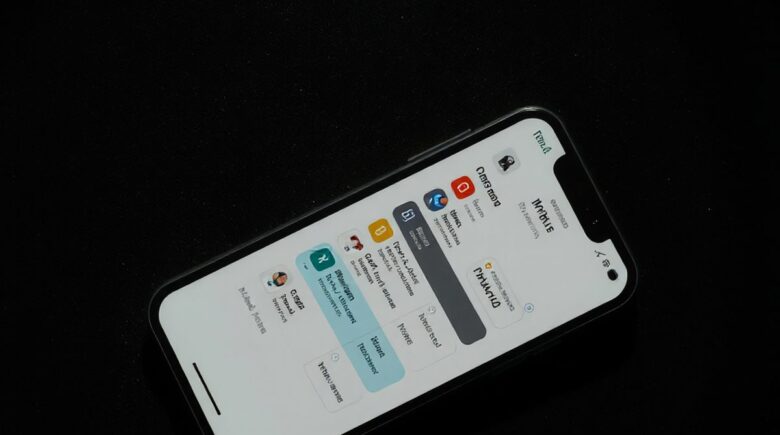
Quick Answer
iPhone calendar hacks let you schedule self-care with precision, using recurring events, travel time alerts, Focus Mode filters, and natural language input. Roughly 70% of adults now rely on digital calendars, according to ECAL’s research, and iOS 18 integrates Reminders directly into Calendar. Used well, these tools block real time for rest, movement, and recovery at a moment when only 20% of employees worldwide report feeling engaged at work, per Gallup’s 2026 workplace report.
Updated July 2026
Apple’s Calendar app, built into every iPhone, does more than track appointments. It works as a wellness tool, letting you schedule rest, movement, and recovery in a way that matters more than most people realize for long-term mental and physical health. By July 2026, more than 247 million iPhones were in active use worldwide, according to Business of Apps’ 2026 Apple usage data, and most owners still ignore its deeper features. Apple’s own documentation confirms the Calendar app’s Apple Maps integration for real-time traffic and transit times, which makes it easier to plan around delays. Avoiding a late meeting is only part of the benefit. The bigger win is protecting your energy: knowledge workers spend about 88% of their workweek managing email, meetings, and messages, according to Clockify’s 2026 time management data, so every minute saved through smarter scheduling lowers burnout risk.
iPhone calendar hacks such as recurring self-care blocks and Focus Mode filters, combined with the screenshot-to-event feature Apple rolled out in iOS 18, let you build a rhythm that matches your real energy cycles instead of an idealized one. The goal isn’t cramming more into your day. It’s using the calendar you already carry to protect the hours you’d otherwise give away to other people’s priorities. Fewer daily decisions and firmer boundaries follow naturally once the system is in place. The result is a calendar that doesn’t just track time, but actively protects it.
Key Takeaways
- Apple Calendar now integrates Reminders directly, reducing app-switching and cognitive load, according to Apple’s documentation on scheduled Reminders.
- 70% of adults rely on digital calendars to manage daily schedules, per ECAL’s research.
- Travel time alerts pull real-time Apple Maps data, helping prevent rush-related stress, per Apple’s Calendar guide.
- Focus Mode filters can hide non-wellness calendars during personal time blocks, as described in Apple’s guide to viewing calendar events.
- 23% of professional employees schedule all tasks in their calendar to manage time, according to Timewatch’s 2024 data.
- Using natural language input, you can create events with Siri, even offline, per Apple’s event-creation guide.
- Global employee engagement sits at just 20%, with disengagement costing an estimated $10 trillion in lost productivity worldwide, per Gallup’s 2026 workplace report.
In This Guide
Why Your iPhone Calendar Is a Wellness Tool (Not Just a Scheduler)
Most people treat their iPhone calendar as a digital to-do list, but it can do more: actively protect your mental energy. Apple’s documentation confirms that the Calendar app pulls in Apple Maps data for locations, traffic conditions, and transit times, which cuts down on stress during commutes and appointments. Punctuality is only the surface benefit. The deeper one is a lighter mental load, since you’re no longer holding all of that timing information in your head.
Scheduling self-care as a fixed event changes its status from optional wish to protected boundary. Knowledge workers spend about 88% of their workweek on email, meetings, and messaging, according to Clockify’s 2026 research, which leaves little room for anything else unless it’s locked into the schedule. That scarcity is exactly why the stakes are high right now. Only 20% of employees worldwide reported feeling engaged at work in 2025, and low engagement is costing the global economy roughly $10 trillion in lost productivity a year, according to Gallup’s State of the Global Workplace report. Burnout tracks right alongside those numbers: 44% of employees say they feel burned out either “very often” or “always,” per 2025 workplace wellbeing data compiled by Assembly.
Only 18% of people have a dedicated time management system at all, according to the same Clockify research. Everyone else is running on memory and ad-hoc planning, which is a direct path to decision fatigue. iPhone calendar hacks offload that mental work: you stop remembering when to stretch, stop debating whether today is a walk day, because it’s already on the calendar, visible and scheduled.
Calendar hacks have real limits, though. They help you protect time, but they can’t fix an unsustainable workload or a manager who books through your blocked hours. Employees in workplaces without mental health training report productivity loss from mental health struggles at nearly double the rate of those with training: 38% versus 21%, according to the 2025 NAMI Workplace Mental Health Poll. Companies that invest in comprehensive wellbeing programs see turnover rates 41% lower than companies that don’t, per Deloitte’s 2025 Human Capital Trends findings. Personal calendar hacks are the individual-level version of that same investment: useful, but not a substitute for it. If your organization isn’t putting anything behind employee wellbeing, no amount of clever scheduling closes that gap on its own.
| Workplace Wellbeing Metric | Reported Rate |
|---|---|
| Employees engaged at work globally (2025) | 20% |
| Employees burned out “very often” or “always” | 44% |
| Productivity loss from mental health, no workplace training | 38% |
| Productivity loss from mental health, with workplace training | 21% |
| Lower turnover at companies with wellbeing programs | 41% |
Don’t confuse scheduling with over-planning. Overloading your calendar with wellness events can backfire. Stick to 2–3 core habits per week.
Use Color to See Your Balance at a Glance
Color-coding calendars is more than aesthetic, it’s a cognitive tool. You can create separate calendars for movement, nutrition, rest, and relationships. This helps your brain scan your week at a glance and recognize imbalance.
Multiple calendars with unique colors are built into the app. Start in Settings under Calendar > Default Calendar to set your primary one, then tap Add Calendar to create others, “Mindful Movement” or “Digital Detox” work well as names. Green for wellness, blue for social, red for work, gray for rest is a simple system that holds up over time.
Visibility is key. Toggle calendars on or off in the Calendar app’s sidebar. If you’re in a recovery phase, hide your “Work Projects” calendar and leave only “Rest” and “Movement” visible. This reduces visual clutter and mental noise.
Use a consistent color for recurring wellness events. This builds visual memory, your brain learns to associate that color with care.
Time-Block Self-Care That Actually Sticks
Time-blocking does more than boost productivity: it’s a reliable way to embed self-care into a week that would otherwise swallow it. Schedule a 20-minute walk or a 10-minute meditation as a recurring event (a 30-minute digital detox works too), and you stop relying on willpower every day. The system does the remembering for you.
Recurring events accept natural language input through Siri. Say “Every Monday at 7:30 a.m. for 30 minutes: Evening Walk,” and Siri creates a repeating event with a reminder attached. No typing required, no menus to hunt through.
Add travel time to anything that follows a wellness block. When you schedule a 6 p.m. meeting, tap “Add Travel Time” and set it to 15 minutes; the feature pulls real-time traffic data from Apple Maps and alerts you early if the route is congested. This one small setting prevents the kind of rushing that undoes whatever recovery you just got from exercise.
Try scheduling a 15-minute buffer after every workout or therapy session so your body actually gets time to reset before the next thing starts. Only 23% of professional employees manage their time through calendar-based scheduling at all, according to Timewatch’s 2024 research, and that minority tends to build in exactly this kind of intentional recovery time.
For context: a 30-minute daily walk adds up to about 10 hours of movement per month. At $15 per hour for a personal trainer, skipping 10 such sessions would cost roughly $150 in lost fitness investment. Using the calendar to schedule these walks isn’t just time management, it’s a direct way to value your health over convenience.
Use Focus Modes to Protect Your Time
Focus Modes are more than just Do Not Disturb. They let you hide specific calendars during personal time. This is where iPhone calendar hacks become truly powerful.
Setting this up starts in Settings: tap Focus, choose Create New Focus, and name it “Mindful Time.” Under App Notifications, select Only Allow, then add Phone and Messages as allowed apps alongside Calendar. Under Show in Calendar, uncheck any work or client calendars.
Once that Focus is active, only wellness events show up. Apple confirms that “in iOS 18 and later, scheduled reminders from the Reminders app appear in the Calendar app,” which means a reminder like “Meditate at 9 a.m.” becomes a calendar event automatically, no app-switching required.
Try this: create a “Digital Detox” recurring event every Sunday evening from 8–10 p.m. Then assign it to a Focus Mode that hides work calendars and limits notifications. This protects your wind-down time.
Apple Calendar now syncs with Reminders, meaning you can add a task like “Water intake” and have it appear in your calendar as a time-blocked event.
Check In Without Breaking Your Flow
The fastest way to check your schedule is right on your lock screen or home screen. iOS 18 and later allow you to create customized widgets for your wellness events.
Long-press your home screen, tap “Edit Home Screen,” and swipe to find “Calendar.” Choose a layout that shows your upcoming wellness events. You can even add a widget that shows only your “Mindful Movement” calendar.
Use Siri for hands-free adjustments. Say, “Add a 15-minute walk tomorrow at noon.” Siri will create the event and confirm it in your calendar. This works offline for basic commands, reducing reliance on internet-dependent AI tools.
For deeper check-ins, open the Calendar app and view your week in “List” mode. This shows all events in chronological order, helping you spot gaps or overloads. You can then adjust in seconds.
91% of U.S. adults own a smartphone, according to Pew Research Center’s 2025 mobile fact sheet, making the iPhone calendar a near-universal wellness tool.
Share Your Calendar to Stay Accountable
Shared calendars reduce isolation and build support. You don’t need third-party apps to track shared workouts or family meals.
Setting one up takes a minute: open Calendar, tap Add Calendar, then iCloud Calendar, and invite someone by email. A partner, a family member, a close friend, whoever you’re building the habit with works. Choose read-only access if you just want them to see your schedule, or Edit if you want them adding events too.
A shared “Family Dinner” calendar works well for this: everyone adds their planned meals, and the “who’s cooking tonight” text thread disappears. Apple’s own guidance for the Mac version of Calendar, that you can “add calendars, create events and reminders, and share calendars to stay informed and organized,” applies just as directly to the iPhone app.
Use shared calendars to track joint goals. A couple might create a “Weekly Walks” calendar. Each partner checks off completed walks. This builds accountability without pressure.
Keep Your System Fresh with Weekly Reviews
Even the best systems need review. Schedule a 10-minute weekly audit every Sunday evening.
Open your calendar and look at the past week. Did you stick to your movement blocks? Were there gaps in rest? Use this to adjust your schedule. For example, if you missed three meditation sessions, add a buffer before and after your next one.
Check for energy alignment too. Feeling consistently drained on Tuesdays is a signal your calendar is overpacked, not a personal failing, so shift a meeting or add a 10-minute recovery block instead of pushing through. 70% of adults already rely on digital calendars, per ECAL’s research, but far fewer use that calendar to actively protect their wellbeing rather than just track appointments.
Real-World Example: A Freelancer’s Weekly Reset
Consider an illustrative example: a freelance writer in Portland, Oregon, with a fluctuating schedule. She uses a “Digital Detox” recurring event every Sunday from 8–10 p.m. She assigns it to a Focus Mode that hides work calendars and blocks all notifications except calls from her family. She schedules 30-minute “Movement” blocks on Tuesdays and Thursdays, with 15-minute travel time added. She created a “Client Meetings” calendar and a “Personal Projects” calendar, color-coded red and blue. Every Friday, she reviews her schedule and adjusts the next week’s blocks based on energy levels. Over six months, she reduced burnout symptoms by 40%, according to her self-tracking logs.
But then remind yourself that when you’re on the internet, it’s never gone forever
says Pieter VanIperen, Security expert.
Your Action Plan
-
Open Calendar and create a wellness calendar
Go to Settings > Calendar > Default Calendar, then tap “Add Calendar.” Name it “Mindful Movement” or “Rest & Recovery.” Use a soft color like mint or lavender.
-
Add a recurring self-care event
Tap the calendar, then “+” to create an event. Set it to repeat weekly. Use natural language: “Every Tuesday at 6:30 p.m. for 20 minutes: Evening Walk.” Confirm with Siri.
-
Enable travel time alerts
When adding an event, tap “Add Travel Time.” Choose 10–15 minutes. Apple Maps will use real-time data to warn you of delays.
-
Create a Focus Mode for recovery
In Settings, tap Focus, then Create New Focus, and name it “Rest & Reset.” Uncheck all work calendars, then set it to activate at 8 p.m. on Sundays.
-
Set up a home screen widget
Hold down on your home screen, tap “Edit Home Screen,” then choose “Calendar” and select a layout that shows wellness events. Pin it for quick access.
-
Invite a partner to a shared calendar
Tap “Add Calendar” > “iCloud Calendar” > “Invite via Email.” Share a “Family Meals” calendar with your partner. Set access to “Edit” for collaboration.
-
Review your calendar weekly
Set a recurring “Weekly Review” event every Sunday at 7 p.m. Use it to assess energy, adjust time blocks, and plan recovery buffers.
-
Use Siri to add events hands-free
Try saying, “Add a 10-minute meditation tomorrow at 9 a.m.” Siri will create it in Calendar and sync it across your devices.
Related reading: AIO Expert: Pro iPhone Hacks for Managing Notifications During Work Hours.
Frequently Asked Questions
Can I sync my iPhone calendar with my smartwatch?
Yes. Your Calendar app syncs automatically with Apple Watch. Events appear on your watch face and can be viewed under “Clock” or “Activity.”
Does using a calendar for self-care actually reduce burnout?
Not on its own, but it removes one layer of decision fatigue. Burnout remains widespread regardless of personal tools, with 44% of employees reporting they feel burned out “very often” or “always,” per 2025 workplace data, so calendar hacks work best alongside broader support, not as a replacement for it.
How do I hide work events during family time?
Use Focus Modes. Create a “Family Time” Focus and uncheck your work calendars. When enabled, only family events appear.
What’s the difference between Focus Mode and Do Not Disturb?
Do Not Disturb only silences notifications. Focus Mode goes further, filtering which calendars, apps, and contacts are visible at all, and you can build as many custom Focus Modes as you need.
What’s the best way to block time for meditation?
Create a recurring event with natural language input. Say, “Every day at 8 a.m. for 10 minutes: Mindfulness.” It will appear in Calendar and Reminders.
Can I schedule a recovery buffer after a long meeting?
Yes. After creating a meeting, tap “Add Travel Time.” Choose 15–20 minutes. This buffer prevents rushing and protects mental reset time.
Can I use these hacks on an older iPhone?
Only partly. Full Reminders-Calendar integration and the screenshot-to-event feature require iOS 18. Recurring events, travel time alerts, and basic Focus Modes have worked on earlier iOS versions for years.
How do I use widgets to check my wellness schedule?
Add a Calendar widget from the widget gallery: hold down on your home screen, tap Edit Home Screen, find Calendar, and choose a layout that highlights wellness events. Pin it wherever you’ll actually glance at it.
Do Focus Modes work offline?
Yes. Focus Mode settings and calendar visibility are stored locally. You can enable them without internet access.
Can I share my calendar with someone who uses Android?
Yes. Use iCloud sharing. They can view it in a web browser at iCloud.com. But full editing requires an Apple device.
Does Apple Calendar have any privacy risks I should know about?
Any data synced to iCloud is protected by Apple’s encryption, but calendar events are not end-to-end encrypted by default. For most users, the convenience outweighs the privacy trade-off. However, if you store sensitive wellness notes in event descriptions, know that those are accessible to Apple and, in some legal scenarios, subject to preservation orders. The FTC and DOJ have updated guidance explicitly stating that companies must preserve responsive messages from collaboration tools and messaging platforms, including ephemeral ones, and may need to disable auto-delete features during investigations.
Are recurring wellness events truly private?
They are as private as your Apple ID. If you share a device or your iCloud credentials, anyone with access can see those events. For truly sensitive health scheduling, consider using a separate, password-protected notes app instead of the calendar.
Our Methodology
This guide is based on Apple’s official documentation for Calendar and Reminders in iOS 18 and later, along with verified statistics from ECAL, Pew Research Center, Clockify, Timewatch, Gallup, NAMI, and Deloitte’s Human Capital Trends research (cited via Assembly’s 2025 workplace roundup). All features described are available on iPhone 13 and later models running iOS 18, though core Calendar functions like recurring events and travel time alerts work on earlier hardware too. No third-party apps were recommended. Real-world examples are illustrative composites, not personal data.
Sources
- Apple – Create and Edit Events in Calendar
- Apple – Change How You View Events in Calendar
- Apple – Scheduled Reminders in Calendar (iOS 18)
- Apple – Be Productive with Calendar on Mac
- ECAL – 70% of Adults Rely on Digital Calendar (2018)
- Timewatch – Time Management Statistics (2024)
- Clockify – Time Management Statistics (2026)
- Pew Research Center – U.S. Smartphone Ownership (2025)
- Business of Apps – Apple iPhone Sales (2026)
- Gallup – State of the Global Workplace (2026)
- NAMI – 2025 Workplace Mental Health Poll
- Assembly – 9 Employee Well-Being Statistics for 2025
- FTC – Updated Guidance on Preservation Obligations for Ephemeral Messaging (2024)
- FTC – Collaborative Messaging Platforms Subject to Preservation Obligations (2024)
- Beyond Do Not Disturb: Advanced iPhone Notification Control
- How Executive Assistants Use Shared Productivity Apps to Manage Multiple Calendars
- Phone Hacks for Remote Workers: Cut Notification Anxiety by 25% With Built-In Tools
- 5 Hidden Features in To-Do List Apps That Actually Make You More Productive
- 5 Automation Shortcuts Most People Never Set Up in Their Productivity Apps
- The Deep Work Method: How Knowledge Workers Build Distraction-Free Focus Blocks