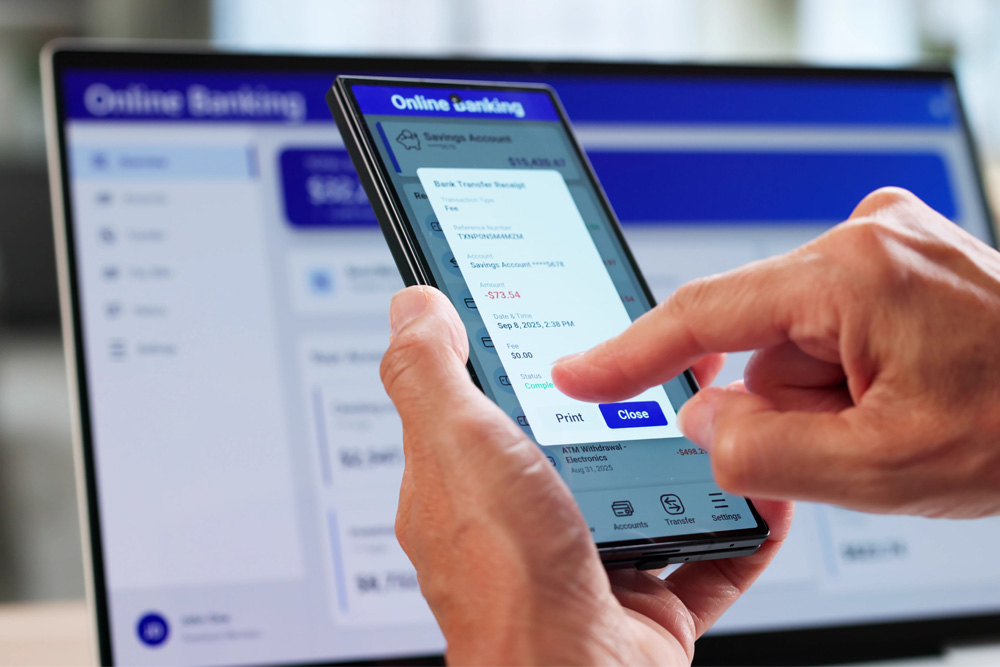
You check your bank account and wonder where your paycheck went. Again. It’s a familiar feeling for most Americans, especially millennials juggling student loans, rising rents, and the occasional avocado toast. But beyond the obvious expenses like rent and groceries, your money flows through channels you might never consciously track.
Understanding these hidden spending patterns has become easier thanks to digital innovation, yet many people still operate in the dark about their true financial picture. This article pulls back the curtain on where your dollars really disappear and how modern tools are revolutionizing the way we monitor our spending habits.
Breaking Down Your Spending: The Hidden Truth
Americans now spend an average of $273 per month on subscription services, according to recent consumer research. That’s over $3,200 annually on recurring charges. The sneaky part? Most people underestimate their subscription spending by about 42%. You probably know about Netflix and Spotify, but what about that fitness app you signed up for during New Year’s resolution season? Or the premium email service you forgot to cancel after the free trial?
The subscription model has infiltrated nearly every aspect of consumer life. Software companies abandoned one-time purchases years ago. Now even razors, meal kits, and pet supplies arrive on autopilot. These small recurring charges create what behavioral economists call “friction-free spending.” You don’t feel the pain of each purchase because it happens automatically. Your credit card gets charged while you sleep.
Financial institutions have started noticing this pattern. Many banks now offer subscription tracking features in their apps. These tools identify recurring charges and flag services you haven’t used recently. Some fintech companies have built entire business models around helping consumers audit and cancel forgotten subscriptions. The regulatory environment is slowly catching up too, with the Federal Trade Commission proposing rules that would make canceling subscriptions as easy as signing up.
Fees, Taxes, and Invisible Costs
Beyond subscriptions, Americans lose hundreds of dollars annually to fees they barely notice. ATM fees, overdraft charges, and late payment penalties add up quickly. The average American pays $250 per year in bank fees alone. Credit card interest represents another massive drain for the 45% of cardholders who carry balances month to month.
Sales taxes vary wildly depending on where you live. Some states have no sales tax at all, while others charge over 9% on purchases. These percentages seem small on individual transactions but compound significantly over time. A person spending $30,000 annually on taxable goods in a high-tax state pays an extra $2,700 compared to someone in a tax-free state.
Then come the truly hidden costs embedded in products themselves. That “free” social media platform? You’re paying with your data and attention. The convenience of same-day delivery? Often subsidized by higher product prices. Consumer protection advocates have pushed for greater transparency in pricing, but companies have become experts at obscuring the true cost of goods and services. The digital economy has made price comparison easier in some ways, yet more complex in others.
The Government Services You Fund
Your tax dollars support an enormous infrastructure of government services. Most Americans don’t fully grasp where their tax contributions go. The federal government allocates roughly 21% of the budget to Social Security, 14% to Medicare, and 13% to defense spending. Healthcare programs consume another significant chunk.
State and local taxes fund schools, police departments, road maintenance, and public transit. Property taxes alone can represent a homeowner’s second-largest monthly expense after their mortgage. Renters pay these costs too, just indirectly through higher rent. The average American household contributes over $18,000 annually in various taxes when you count federal, state, local, and payroll taxes together.
Understanding this breakdown matters for civic engagement and personal planning. Tax policy changes directly affect your take-home pay and the services you receive. Recent regulatory shifts have altered deductions for state and local taxes, impacting residents of high-tax states significantly. Following these policy discussions helps you anticipate changes to your financial situation and vote accordingly.
How Digital Tools Are Changing Money Tracking
Personal finance management has transformed dramatically over the past decade. Remember manually recording expenses in a notebook? Those days feel ancient. Modern budgeting apps connect directly to your bank accounts, credit cards, and investment platforms. They automatically categorize transactions and generate spending reports without any manual data entry.
Apps like Mint, YNAB (You Need A Budget), and PocketGuard have millions of users. These platforms use machine learning to improve categorization accuracy over time. They learn that your Friday night charge at Joe’s is entertainment, not groceries. Some apps even predict upcoming bills and warn you about potential overdrafts before they happen.
The convenience comes with trade-offs though. Users grant these third-party apps access to sensitive financial data. While most companies use bank-level encryption and read-only access, data breaches remain a concern. Consumer advocates recommend reviewing privacy policies carefully and enabling two-factor authentication. The regulatory framework around data sharing is evolving, with new rules requiring clearer consent processes and stronger security standards.
Open Banking and Financial Transparency
Open banking represents a fundamental shift in how financial data flows. This system allows consumers to share their banking information with third-party providers securely through APIs (application programming interfaces). Europe implemented open banking regulations years ago, and the United States is gradually moving in that direction.
The benefits extend beyond budgeting apps. Open banking enables better loan comparisons, faster mortgage approvals, and more accurate credit scoring. Fintech companies can analyze your actual spending patterns rather than relying solely on credit scores. This could help people with thin credit files access better financial products.
Consumer protection remains paramount as open banking expands. Regulators are working to establish clear rules about data ownership, sharing permissions, and liability for breaches. The Consumer Financial Protection Bureau has proposed frameworks that would give consumers more control over their financial data while ensuring companies maintain robust security practices. These regulatory developments will shape how Americans interact with financial services for decades.
AI-Powered Spending Insights
Artificial intelligence is taking money tracking to another level. Modern apps don’t just categorize spending—they provide predictive insights and personalized recommendations. AI algorithms identify patterns you might miss, like gradually increasing restaurant spending or seasonal fluctuations in utility bills.
Some platforms now offer conversational interfaces where you can ask questions about your finances in plain English. “How much did I spend on coffee last month?” or “Am I on track to meet my savings goal?” The system responds with specific answers and visualizations. This makes financial data more accessible to people who find traditional spreadsheets intimidating.
The future looks even more integrated. Financial institutions are developing AI assistants that proactively suggest actions: “You usually spend $200 less in March. Want to increase your retirement contribution this month?” or “You’re paying 4% more for car insurance than similar customers. Should we search for better rates?” These tools could democratize the kind of financial optimization that wealthy individuals get from human advisors. The technology raises important questions about algorithmic bias and transparency that regulators and consumer advocates continue to examine.
Understanding where your money actually goes isn’t just about guilt over impulse purchases. It’s about recognizing the complex ecosystem of subscriptions, fees, taxes, and invisible costs that shape your financial reality. Digital tools have made tracking easier than ever, but they also introduce new considerations around data privacy and security. The integration of fintech solutions, AI-powered insights, and evolving regulatory frameworks is transforming personal finance management from a monthly chore into a continuous, automated process. By staying informed about these changes and actively engaging with the tools available, you can take control of your spending, optimize your budget, and build a stronger financial foundation. Your money tells a story—make sure you’re the one writing it.
References
- NerdWallet. “Average American Household Budget: How Does Yours Compare?” https://www.nerdwallet.com/article/finance/average-american-household-budget
- Consumer Financial Protection Bureau. “Consumer Access to Financial Records” https://www.consumerfinance.gov/data-research/consumer-access-financial-records/
- Forbes Advisor. “Best Budgeting Apps Of 2024” https://www.forbes.com/advisor/banking/best-budgeting-apps/
You check your bank account and wonder where your paycheck went. Again. It’s a familiar feeling for most Americans, especially millennials juggling student loans, rising rents, and the occasional avocado toast. But beyond the obvious expenses like rent and groceries, your money flows through channels you might never consciously track.
Understanding these hidden spending patterns has become easier thanks to digital innovation, yet many people still operate in the dark about their true financial picture. This article pulls back the curtain on where your dollars really disappear and how modern tools are revolutionizing the way we monitor our spending habits.
Breaking Down Your Spending: The Hidden Truth
Americans now spend an average of $273 per month on subscription services, according to recent consumer research. That’s over $3,200 annually on recurring charges. The sneaky part? Most people underestimate their subscription spending by about 42%. You probably know about Netflix and Spotify, but what about that fitness app you signed up for during New Year’s resolution season? Or the premium email service you forgot to cancel after the free trial?
The subscription model has infiltrated nearly every aspect of consumer life. Software companies abandoned one-time purchases years ago. Now even razors, meal kits, and pet supplies arrive on autopilot. These small recurring charges create what behavioral economists call “friction-free spending.” You don’t feel the pain of each purchase because it happens automatically. Your credit card gets charged while you sleep.
Financial institutions have started noticing this pattern. Many banks now offer subscription tracking features in their apps. These tools identify recurring charges and flag services you haven’t used recently. Some fintech companies have built entire business models around helping consumers audit and cancel forgotten subscriptions. The regulatory environment is slowly catching up too, with the Federal Trade Commission proposing rules that would make canceling subscriptions as easy as signing up.
Fees, Taxes, and Invisible Costs
Beyond subscriptions, Americans lose hundreds of dollars annually to fees they barely notice. ATM fees, overdraft charges, and late payment penalties add up quickly. The average American pays $250 per year in bank fees alone. Credit card interest represents another massive drain for the 45% of cardholders who carry balances month to month.
Sales taxes vary wildly depending on where you live. Some states have no sales tax at all, while others charge over 9% on purchases. These percentages seem small on individual transactions but compound significantly over time. A person spending $30,000 annually on taxable goods in a high-tax state pays an extra $2,700 compared to someone in a tax-free state.
Then come the truly hidden costs embedded in products themselves. That “free” social media platform? You’re paying with your data and attention. The convenience of same-day delivery? Often subsidized by higher product prices. Consumer protection advocates have pushed for greater transparency in pricing, but companies have become experts at obscuring the true cost of goods and services. The digital economy has made price comparison easier in some ways, yet more complex in others.
The Government Services You Fund
Your tax dollars support an enormous infrastructure of government services. Most Americans don’t fully grasp where their tax contributions go. The federal government allocates roughly 21% of the budget to Social Security, 14% to Medicare, and 13% to defense spending. Healthcare programs consume another significant chunk.
State and local taxes fund schools, police departments, road maintenance, and public transit. Property taxes alone can represent a homeowner’s second-largest monthly expense after their mortgage. Renters pay these costs too, just indirectly through higher rent. The average American household contributes over $18,000 annually in various taxes when you count federal, state, local, and payroll taxes together.
Understanding this breakdown matters for civic engagement and personal planning. Tax policy changes directly affect your take-home pay and the services you receive. Recent regulatory shifts have altered deductions for state and local taxes, impacting residents of high-tax states significantly. Following these policy discussions helps you anticipate changes to your financial situation and vote accordingly.
How Digital Tools Are Changing Money Tracking
Personal finance management has transformed dramatically over the past decade. Remember manually recording expenses in a notebook? Those days feel ancient. Modern budgeting apps connect directly to your bank accounts, credit cards, and investment platforms. They automatically categorize transactions and generate spending reports without any manual data entry.
Apps like Mint, YNAB (You Need A Budget), and PocketGuard have millions of users. These platforms use machine learning to improve categorization accuracy over time. They learn that your Friday night charge at Joe’s is entertainment, not groceries. Some apps even predict upcoming bills and warn you about potential overdrafts before they happen.
The convenience comes with trade-offs though. Users grant these third-party apps access to sensitive financial data. While most companies use bank-level encryption and read-only access, data breaches remain a concern. Consumer advocates recommend reviewing privacy policies carefully and enabling two-factor authentication. The regulatory framework around data sharing is evolving, with new rules requiring clearer consent processes and stronger security standards.
Open Banking and Financial Transparency
Open banking represents a fundamental shift in how financial data flows. This system allows consumers to share their banking information with third-party providers securely through APIs (application programming interfaces). Europe implemented open banking regulations years ago, and the United States is gradually moving in that direction.
The benefits extend beyond budgeting apps. Open banking enables better loan comparisons, faster mortgage approvals, and more accurate credit scoring. Fintech companies can analyze your actual spending patterns rather than relying solely on credit scores. This could help people with thin credit files access better financial products.
Consumer protection remains paramount as open banking expands. Regulators are working to establish clear rules about data ownership, sharing permissions, and liability for breaches. The Consumer Financial Protection Bureau has proposed frameworks that would give consumers more control over their financial data while ensuring companies maintain robust security practices. These regulatory developments will shape how Americans interact with financial services for decades.
AI-Powered Spending Insights
Artificial intelligence is taking money tracking to another level. Modern apps don’t just categorize spending—they provide predictive insights and personalized recommendations. AI algorithms identify patterns you might miss, like gradually increasing restaurant spending or seasonal fluctuations in utility bills.
Some platforms now offer conversational interfaces where you can ask questions about your finances in plain English. “How much did I spend on coffee last month?” or “Am I on track to meet my savings goal?” The system responds with specific answers and visualizations. This makes financial data more accessible to people who find traditional spreadsheets intimidating.
The future looks even more integrated. Financial institutions are developing AI assistants that proactively suggest actions: “You usually spend $200 less in March. Want to increase your retirement contribution this month?” or “You’re paying 4% more for car insurance than similar customers. Should we search for better rates?” These tools could democratize the kind of financial optimization that wealthy individuals get from human advisors. The technology raises important questions about algorithmic bias and transparency that regulators and consumer advocates continue to examine.
Understanding where your money actually goes isn’t just about guilt over impulse purchases. It’s about recognizing the complex ecosystem of subscriptions, fees, taxes, and invisible costs that shape your financial reality. Digital tools have made tracking easier than ever, but they also introduce new considerations around data privacy and security. The integration of fintech solutions, AI-powered insights, and evolving regulatory frameworks is transforming personal finance management from a monthly chore into a continuous, automated process. By staying informed about these changes and actively engaging with the tools available, you can take control of your spending, optimize your budget, and build a stronger financial foundation. Your money tells a story—make sure you’re the one writing it.
References
- NerdWallet. “Average American Household Budget: How Does Yours Compare?” https://www.nerdwallet.com/article/finance/average-american-household-budget
- Consumer Financial Protection Bureau. “Consumer Access to Financial Records” https://www.consumerfinance.gov/data-research/consumer-access-financial-records/
- Forbes Advisor. “Best Budgeting Apps Of 2024” https://www.forbes.com/advisor/banking/best-budgeting-apps/




)