
Money stress doesn’t just empty your wallet—it weighs on your mind, body, and relationships in ways that ripple through every aspect of life. For millennials navigating student debt, rising housing costs, and an increasingly complex digital financial landscape, the psychological burden of financial worry has become a defining characteristic of modern adulthood. Understanding how money anxiety affects mental health and learning strategies to break free from its grip can transform not just your bank account, but your overall well-being.
How Money Worries Take a Toll on Mental Health
Financial stress triggers the same physiological responses as any other major life stressor. Your body releases cortisol and adrenaline when you check your bank balance and see red numbers. These stress hormones keep you in a constant state of fight-or-flight, which was never meant to be permanent. Over time, this chronic activation wears down your mental resilience and physical health.
Research shows that money worries rank among the top sources of stress for Americans. According to the American Psychological Association’s annual stress survey, 72% of adults report feeling stressed about money at least some of the time. This persistent anxiety doesn’t stay compartmentalized. It seeps into sleep patterns, relationships, and work performance, creating a cycle that feels impossible to escape.
The digital transformation of financial services has added new layers to this stress. Constant access to banking apps means you can check your balance anywhere, anytime. While fintech solutions promise better money management, they also enable obsessive monitoring that can amplify anxiety rather than reduce it.
Depression, Anxiety, and the Financial Feedback Loop
Money stress and mental health conditions feed each other in a vicious cycle. Financial anxiety can trigger or worsen depression and generalized anxiety disorders. Conversely, these mental health challenges make it harder to manage money effectively. You might avoid opening bills, miss payment deadlines, or make impulsive purchases seeking temporary relief.
This feedback loop particularly affects millennials who already face higher rates of anxiety and depression compared to previous generations. Student loan debt averaging over $30,000 per borrower creates a psychological weight that colors major life decisions. Many delay homeownership, marriage, or having children because financial stability feels perpetually out of reach.
The shame and stigma surrounding money problems intensify these mental health impacts. People rarely discuss financial struggles openly, leading to isolation and feelings of personal failure. Social media compounds this by showcasing curated versions of others’ financial success, making your own situation feel even more inadequate by comparison.
Physical Health Consequences You Can’t Ignore
The toll of money stress extends beyond mental health into tangible physical symptoms. Chronic financial worry correlates with headaches, digestive issues, high blood pressure, and weakened immune systems. Your body literally breaks down under the weight of persistent financial anxiety.
Sleep disruption represents one of the most common physical manifestations. Racing thoughts about unpaid bills or mounting debt keep you awake at night. Poor sleep then impairs decision-making abilities, creating more financial mistakes and perpetuating the stress cycle. Studies link financial stress to increased risk of heart disease and other serious health conditions.
These health problems create additional financial burdens through medical bills and lost work productivity. The irony is cruel: money stress makes you sick, and being sick costs money. Breaking this pattern requires addressing both the psychological and practical aspects of financial anxiety.
Breaking Free from Financial Anxiety’s Grip
Fintech solutions offer powerful resources for managing money stress when used strategically. Budgeting apps like YNAB or Mint automate tracking and provide clear spending pictures without requiring constant manual updates. The key is setting boundaries around how often you engage with these tools. Checking your balance fifty times daily increases anxiety rather than control.
Automated systems can remove emotional decision-making from financial management. Set up automatic bill payments and savings transfers so money moves without requiring willpower or attention. This reduces the mental load of financial administration and eliminates the stress of potential late payments. Many banks now offer features that round up purchases and automatically save the difference, building emergency funds painlessly.
However, maintain awareness that algorithms and apps can’t replace human judgment about your unique situation. Use technology as a tool, not a taskmaster. Disable anxiety-inducing notifications about every transaction. Instead, schedule specific times to review finances with a calm, analytical mindset.
Practical Strategies for Immediate Relief
Start addressing money stress by acknowledging it without judgment. Financial struggles don’t reflect personal worth or intelligence. Economic systems and circumstances beyond individual control significantly impact financial situations. This perspective shift alone can reduce shame and open space for constructive action.
Create a simple, realistic plan focusing on one step at a time. Trying to fix everything simultaneously overwhelms and paralyzes. Maybe this month you focus solely on understanding where money goes. Next month, you might tackle one high-interest debt. Small wins build momentum and restore a sense of agency that financial stress strips away.
Seek support through financial counseling services, many of which are free or low-cost. The National Foundation for Credit Counseling offers resources and certified counselors who can help create manageable plans. Talking through options with a neutral professional reduces anxiety and provides clarity that’s impossible when drowning in worry alone.
Building Long-Term Financial Resilience
Long-term relief from money stress requires building financial buffers and literacy. Emergency funds create psychological safety even before they’re fully funded. Start with a goal of $500, then $1,000. These modest amounts prevent minor emergencies from becoming catastrophic and reduce baseline anxiety significantly.
Improving financial literacy empowers better decisions and reduces fear of the unknown. Understanding how interest works, what regulatory protections exist for consumers, and how to evaluate financial products builds confidence. Resources like NerdWallet and nonprofit financial education programs offer accessible, trustworthy information without overwhelming jargon.
Consider how regulatory changes and consumer protections can work in your favor. Recent reforms in student loan servicing and credit reporting offer new opportunities for relief. Stay informed about programs you might qualify for, from income-driven repayment plans to first-time homebuyer assistance. The digital transformation of government services increasingly makes these resources more accessible than ever before.
Protecting Your Mental Health While Improving Finances
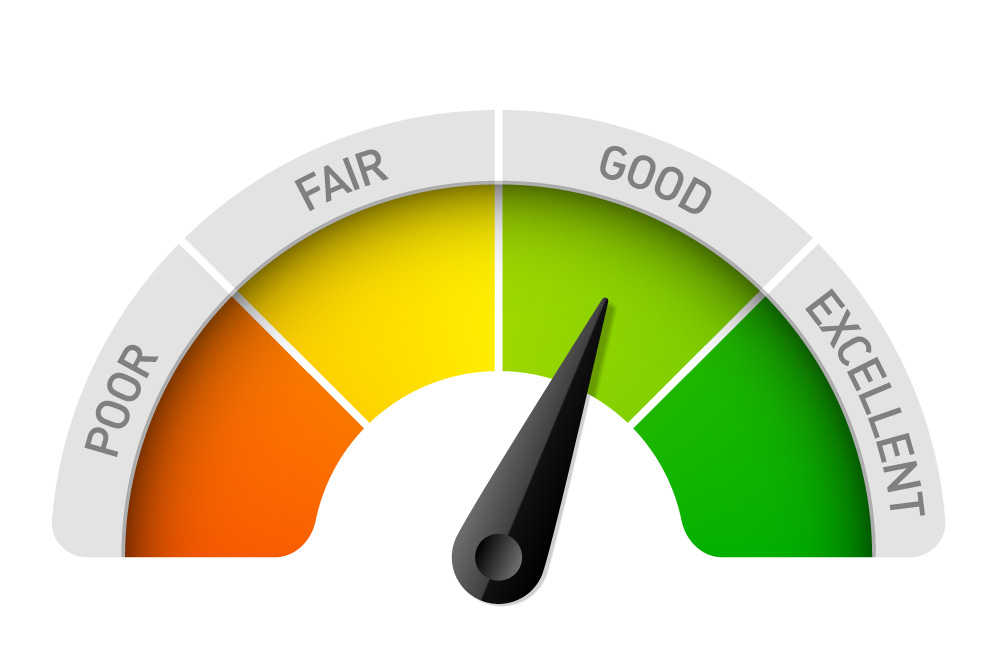
Set boundaries between your financial situation and your self-worth. You are not your credit score or bank balance. These numbers reflect a moment in time, not your value as a person. Practice self-compassion when reviewing finances, speaking to yourself as you would a struggling friend.
Professional mental health support can be crucial when money stress becomes overwhelming. Therapists specializing in financial anxiety understand the unique psychological patterns these worries create. Many now offer telehealth options that increase accessibility and reduce costs. Some employee assistance programs include free counseling sessions.
Build relationships and community around shared financial goals rather than comparison. Money stress thrives in isolation but diminishes when discussed openly with trusted people. Whether through online communities, local meetups, or conversations with friends, breaking the silence around financial struggles reduces their emotional power.
The emotional weight of money stress is real, measurable, and affects millions of Americans daily. But financial anxiety doesn’t have to be a permanent condition. By understanding how money worries impact mental and physical health, leveraging digital tools wisely, and implementing practical strategies for both immediate relief and long-term resilience, you can lighten this burden significantly. Remember that progress, not perfection, is the goal. Each small step toward financial stability also steps toward better mental health, creating an upward spiral that replaces the downward one. Your financial journey is uniquely yours, and seeking support—whether through technology, professionals, or community—is a sign of strength, not weakness.
References
- American Psychological Association. “Stress in America: Paying With Our Health.” https://www.apa.org/news/press/releases/stress
- NerdWallet. “2024 American Household Credit Card Debt Study.” https://www.nerdwallet.com/article/credit-cards/average-credit-card-debt-household
- National Foundation for Credit Counseling. “Financial Stress and Your Health.” https://www.nfcc.org
Money stress doesn’t just empty your wallet—it weighs on your mind, body, and relationships in ways that ripple through every aspect of life. For millennials navigating student debt, rising housing costs, and an increasingly complex digital financial landscape, the psychological burden of financial worry has become a defining characteristic of modern adulthood. Understanding how money anxiety affects mental health and learning strategies to break free from its grip can transform not just your bank account, but your overall well-being.
How Money Worries Take a Toll on Mental Health
Financial stress triggers the same physiological responses as any other major life stressor. Your body releases cortisol and adrenaline when you check your bank balance and see red numbers. These stress hormones keep you in a constant state of fight-or-flight, which was never meant to be permanent. Over time, this chronic activation wears down your mental resilience and physical health.
Research shows that money worries rank among the top sources of stress for Americans. According to the American Psychological Association’s annual stress survey, 72% of adults report feeling stressed about money at least some of the time. This persistent anxiety doesn’t stay compartmentalized. It seeps into sleep patterns, relationships, and work performance, creating a cycle that feels impossible to escape.
The digital transformation of financial services has added new layers to this stress. Constant access to banking apps means you can check your balance anywhere, anytime. While fintech solutions promise better money management, they also enable obsessive monitoring that can amplify anxiety rather than reduce it.
Depression, Anxiety, and the Financial Feedback Loop
Money stress and mental health conditions feed each other in a vicious cycle. Financial anxiety can trigger or worsen depression and generalized anxiety disorders. Conversely, these mental health challenges make it harder to manage money effectively. You might avoid opening bills, miss payment deadlines, or make impulsive purchases seeking temporary relief.
This feedback loop particularly affects millennials who already face higher rates of anxiety and depression compared to previous generations. Student loan debt averaging over $30,000 per borrower creates a psychological weight that colors major life decisions. Many delay homeownership, marriage, or having children because financial stability feels perpetually out of reach.
The shame and stigma surrounding money problems intensify these mental health impacts. People rarely discuss financial struggles openly, leading to isolation and feelings of personal failure. Social media compounds this by showcasing curated versions of others’ financial success, making your own situation feel even more inadequate by comparison.
Physical Health Consequences You Can’t Ignore
The toll of money stress extends beyond mental health into tangible physical symptoms. Chronic financial worry correlates with headaches, digestive issues, high blood pressure, and weakened immune systems. Your body literally breaks down under the weight of persistent financial anxiety.
Sleep disruption represents one of the most common physical manifestations. Racing thoughts about unpaid bills or mounting debt keep you awake at night. Poor sleep then impairs decision-making abilities, creating more financial mistakes and perpetuating the stress cycle. Studies link financial stress to increased risk of heart disease and other serious health conditions.
These health problems create additional financial burdens through medical bills and lost work productivity. The irony is cruel: money stress makes you sick, and being sick costs money. Breaking this pattern requires addressing both the psychological and practical aspects of financial anxiety.
Breaking Free from Financial Anxiety’s Grip
Fintech solutions offer powerful resources for managing money stress when used strategically. Budgeting apps like YNAB or Mint automate tracking and provide clear spending pictures without requiring constant manual updates. The key is setting boundaries around how often you engage with these tools. Checking your balance fifty times daily increases anxiety rather than control.
Automated systems can remove emotional decision-making from financial management. Set up automatic bill payments and savings transfers so money moves without requiring willpower or attention. This reduces the mental load of financial administration and eliminates the stress of potential late payments. Many banks now offer features that round up purchases and automatically save the difference, building emergency funds painlessly.
However, maintain awareness that algorithms and apps can’t replace human judgment about your unique situation. Use technology as a tool, not a taskmaster. Disable anxiety-inducing notifications about every transaction. Instead, schedule specific times to review finances with a calm, analytical mindset.
Practical Strategies for Immediate Relief
Start addressing money stress by acknowledging it without judgment. Financial struggles don’t reflect personal worth or intelligence. Economic systems and circumstances beyond individual control significantly impact financial situations. This perspective shift alone can reduce shame and open space for constructive action.
Create a simple, realistic plan focusing on one step at a time. Trying to fix everything simultaneously overwhelms and paralyzes. Maybe this month you focus solely on understanding where money goes. Next month, you might tackle one high-interest debt. Small wins build momentum and restore a sense of agency that financial stress strips away.
Seek support through financial counseling services, many of which are free or low-cost. The National Foundation for Credit Counseling offers resources and certified counselors who can help create manageable plans. Talking through options with a neutral professional reduces anxiety and provides clarity that’s impossible when drowning in worry alone.
Building Long-Term Financial Resilience
Long-term relief from money stress requires building financial buffers and literacy. Emergency funds create psychological safety even before they’re fully funded. Start with a goal of $500, then $1,000. These modest amounts prevent minor emergencies from becoming catastrophic and reduce baseline anxiety significantly.
Improving financial literacy empowers better decisions and reduces fear of the unknown. Understanding how interest works, what regulatory protections exist for consumers, and how to evaluate financial products builds confidence. Resources like NerdWallet and nonprofit financial education programs offer accessible, trustworthy information without overwhelming jargon.
Consider how regulatory changes and consumer protections can work in your favor. Recent reforms in student loan servicing and credit reporting offer new opportunities for relief. Stay informed about programs you might qualify for, from income-driven repayment plans to first-time homebuyer assistance. The digital transformation of government services increasingly makes these resources more accessible than ever before.
Protecting Your Mental Health While Improving Finances
Set boundaries between your financial situation and your self-worth. You are not your credit score or bank balance. These numbers reflect a moment in time, not your value as a person. Practice self-compassion when reviewing finances, speaking to yourself as you would a struggling friend.
Professional mental health support can be crucial when money stress becomes overwhelming. Therapists specializing in financial anxiety understand the unique psychological patterns these worries create. Many now offer telehealth options that increase accessibility and reduce costs. Some employee assistance programs include free counseling sessions.
Build relationships and community around shared financial goals rather than comparison. Money stress thrives in isolation but diminishes when discussed openly with trusted people. Whether through online communities, local meetups, or conversations with friends, breaking the silence around financial struggles reduces their emotional power.
The emotional weight of money stress is real, measurable, and affects millions of Americans daily. But financial anxiety doesn’t have to be a permanent condition. By understanding how money worries impact mental and physical health, leveraging digital tools wisely, and implementing practical strategies for both immediate relief and long-term resilience, you can lighten this burden significantly. Remember that progress, not perfection, is the goal. Each small step toward financial stability also steps toward better mental health, creating an upward spiral that replaces the downward one. Your financial journey is uniquely yours, and seeking support—whether through technology, professionals, or community—is a sign of strength, not weakness.
References
- American Psychological Association. “Stress in America: Paying With Our Health.” https://www.apa.org/news/press/releases/stress
- NerdWallet. “2024 American Household Credit Card Debt Study.” https://www.nerdwallet.com/article/credit-cards/average-credit-card-debt-household
- National Foundation for Credit Counseling. “Financial Stress and Your Health.” https://www.nfcc.org




)