Your credit score follows you everywhere in modern financial life. It determines whether you can rent an apartment, buy a car, or qualify for a mortgage. Yet most Americans don’t fully understand how this three-digit number works or why it matters so much.
The good news? The credit scoring system is becoming more transparent thanks to digital innovation and regulatory changes. This guide cuts through the confusion to explain what your credit score really means and how new tools are making it easier to manage.
What Your Credit Score Really Means for You
Your credit score isn’t just an abstract figure that lenders care about. It directly affects your wallet every single day. A higher score can save you thousands of dollars in interest payments over your lifetime. For example, someone with excellent credit might qualify for a mortgage rate of 6.5%, while someone with fair credit could face rates above 8%. On a $300,000 home loan, that difference costs roughly $100,000 more in interest over 30 years.
Beyond borrowing costs, your credit score influences areas you might not expect. Landlords check credit scores before approving rental applications. Insurance companies in many states use credit-based insurance scores to set premiums. Some employers even review credit reports during the hiring process, particularly for positions handling finances. Your score has become a financial reputation score that opens or closes doors across multiple aspects of adult life.
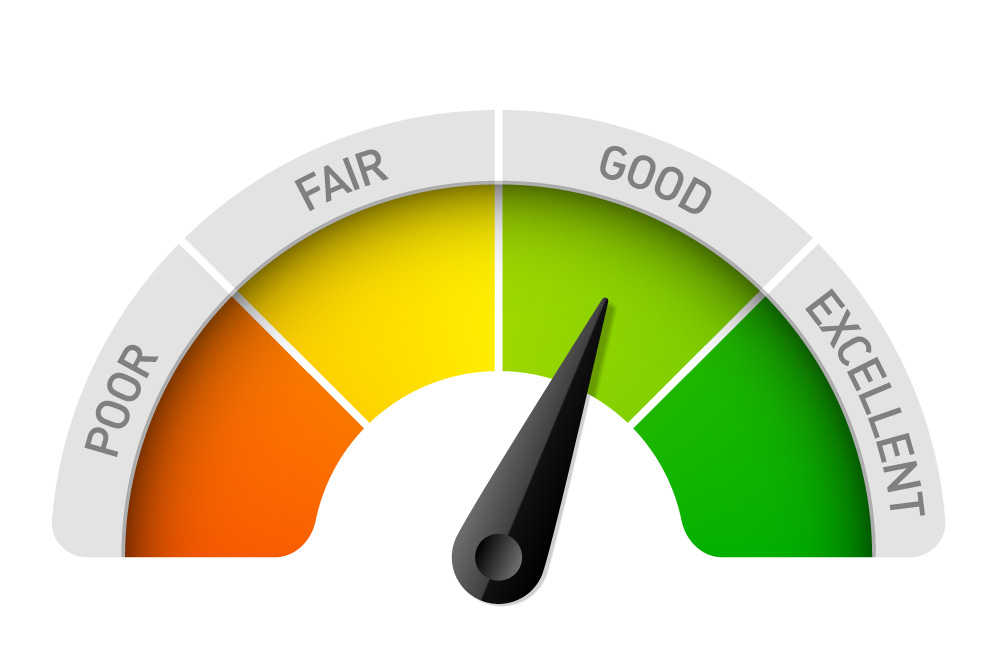
The scoring range typically spans from 300 to 850, though most people fall between 600 and 750. Scores above 740 generally qualify you for the best rates and terms. Scores between 670 and 739 are considered good, while anything below 580 puts you in the “poor” category. Understanding where you stand helps you set realistic goals and know what opportunities are within reach.
What Actually Builds Your Score
Five main factors determine your credit score, but they don’t all carry equal weight. Payment history accounts for about 35% of your score, making it the single most important factor. Missing even one payment can drop your score by 100 points or more. Lenders want to see that you consistently pay bills on time, every time.
Credit utilization comes in second at 30% of your score. This measures how much of your available credit you’re actually using. Experts recommend keeping utilization below 30%, but below 10% is even better. If you have a credit card with a $10,000 limit, try to keep your balance under $1,000. High utilization signals financial stress to lenders, even if you pay off your balance each month.
The remaining factors matter too but carry less weight. Length of credit history contributes 15%, which is why closing old credit cards can sometimes hurt your score. Credit mix accounts for 10%, rewarding those who successfully manage different types of credit like cards, auto loans, and mortgages. New credit inquiries make up the final 10%. Too many applications in a short period raise red flags about financial desperation.
How Digital Tools Are Making Credit Transparent
The credit industry has transformed dramatically over the past decade. You no longer need to wait months or pay fees to check your score. Free credit monitoring services from companies like Credit Karma, NerdWallet, and even directly from credit bureaus now give you instant access. These platforms update your score regularly and send alerts about significant changes or suspicious activity.
Real-time monitoring helps you catch errors before they cause serious damage. Studies show that roughly one in five credit reports contains errors that could affect your score. You might discover accounts you didn’t open, payments marked late that you made on time, or debts that should have dropped off years ago. Spotting these mistakes quickly lets you dispute them and protect your financial standing.
Many banks and credit card issuers now include free credit score tracking as a standard feature. Chase, Capital One, and Discover all offer FICO scores to their customers. This mainstream availability has democratized credit knowledge that once required paying for expensive monitoring services or waiting for annual reports.
AI and Fintech Innovations
Artificial intelligence is revolutionizing how we understand and improve credit scores. New apps analyze your spending patterns and suggest specific actions to boost your score. They might recommend paying down a particular card, timing a payment differently, or avoiding certain behaviors that could trigger score drops. This personalized guidance beats generic advice because it’s based on your actual financial situation.
Fintech companies are also developing alternative credit scoring models. Traditional FICO scores ignore rent payments, utility bills, and streaming subscriptions. Companies like Experian Boost now let you add these payments to your credit file, potentially raising your score immediately. This innovation particularly helps young people and immigrants who lack traditional credit history but consistently pay their bills.
The integration of open banking is making credit scoring even more sophisticated. When you connect your bank accounts to financial apps, algorithms can analyze cash flow patterns, savings habits, and income stability. Some lenders now consider these factors alongside traditional credit scores, giving them a fuller picture of your financial health. This holistic approach could help people with thin credit files access better loan terms.
Regulatory Changes Protecting Consumers
Government oversight has strengthened consumer protections around credit reporting. The Fair Credit Reporting Act requires credit bureaus to investigate disputes within 30 days. Recent updates have reduced the time certain negative items stay on your report. Medical debt under $500 no longer appears on credit reports as of 2023, lifting a burden from millions of Americans.
The Consumer Financial Protection Bureau continues pushing for greater transparency and accuracy. They’ve taken action against credit bureaus for failing to maintain reasonable procedures for handling disputes. These enforcement actions have led to improved customer service and faster resolution of reporting errors. Consumers now have more power to challenge unfair credit practices.
State-level regulations are also evolving to limit how credit scores can be used. Several states have banned or restricted the use of credit scores in setting insurance rates. Others have limited employer credit checks to specific job categories. This patchwork of regulations reflects growing recognition that credit scores, while useful, shouldn’t control every aspect of financial life.
Final Thoughts
Credit scores don’t have to be mysterious or intimidating. Understanding the key factors that influence your score puts you in control of your financial future. The digital transformation of credit reporting has given consumers unprecedented access to their credit information and practical tools for improvement. As technology continues advancing and regulations strengthen consumer protections, managing your credit becomes more straightforward every year.
Take advantage of free monitoring tools, check your reports regularly for errors, and focus on the basics: pay on time, keep balances low, and maintain a diverse credit mix. Your three-digit number might seem all-powerful, but with knowledge and the right tools, you can shape it to work in your favor.
References
- Consumer Financial Protection Bureau. “Credit Reports and Scores.” https://www.consumerfinance.gov/consumer-tools/credit-reports-and-scores/
- NerdWallet. “What Is a Good Credit Score?” https://www.nerdwallet.com/article/finance/what-is-a-good-credit-score
- Experian. “What Affects Your Credit Scores?” https://www.experian.com/blogs/ask-experian/credit-education/score-basics/what-affects-your-credit-scores/
Your credit score follows you everywhere in modern financial life. It determines whether you can rent an apartment, buy a car, or qualify for a mortgage. Yet most Americans don’t fully understand how this three-digit number works or why it matters so much.
The good news? The credit scoring system is becoming more transparent thanks to digital innovation and regulatory changes. This guide cuts through the confusion to explain what your credit score really means and how new tools are making it easier to manage.
What Your Credit Score Really Means for You
Your credit score isn’t just an abstract figure that lenders care about. It directly affects your wallet every single day. A higher score can save you thousands of dollars in interest payments over your lifetime. For example, someone with excellent credit might qualify for a mortgage rate of 6.5%, while someone with fair credit could face rates above 8%. On a $300,000 home loan, that difference costs roughly $100,000 more in interest over 30 years.
Beyond borrowing costs, your credit score influences areas you might not expect. Landlords check credit scores before approving rental applications. Insurance companies in many states use credit-based insurance scores to set premiums. Some employers even review credit reports during the hiring process, particularly for positions handling finances. Your score has become a financial reputation score that opens or closes doors across multiple aspects of adult life.
The scoring range typically spans from 300 to 850, though most people fall between 600 and 750. Scores above 740 generally qualify you for the best rates and terms. Scores between 670 and 739 are considered good, while anything below 580 puts you in the “poor” category. Understanding where you stand helps you set realistic goals and know what opportunities are within reach.
What Actually Builds Your Score
Five main factors determine your credit score, but they don’t all carry equal weight. Payment history accounts for about 35% of your score, making it the single most important factor. Missing even one payment can drop your score by 100 points or more. Lenders want to see that you consistently pay bills on time, every time.
Credit utilization comes in second at 30% of your score. This measures how much of your available credit you’re actually using. Experts recommend keeping utilization below 30%, but below 10% is even better. If you have a credit card with a $10,000 limit, try to keep your balance under $1,000. High utilization signals financial stress to lenders, even if you pay off your balance each month.
The remaining factors matter too but carry less weight. Length of credit history contributes 15%, which is why closing old credit cards can sometimes hurt your score. Credit mix accounts for 10%, rewarding those who successfully manage different types of credit like cards, auto loans, and mortgages. New credit inquiries make up the final 10%. Too many applications in a short period raise red flags about financial desperation.
How Digital Tools Are Making Credit Transparent
The credit industry has transformed dramatically over the past decade. You no longer need to wait months or pay fees to check your score. Free credit monitoring services from companies like Credit Karma, NerdWallet, and even directly from credit bureaus now give you instant access. These platforms update your score regularly and send alerts about significant changes or suspicious activity.
Real-time monitoring helps you catch errors before they cause serious damage. Studies show that roughly one in five credit reports contains errors that could affect your score. You might discover accounts you didn’t open, payments marked late that you made on time, or debts that should have dropped off years ago. Spotting these mistakes quickly lets you dispute them and protect your financial standing.
Many banks and credit card issuers now include free credit score tracking as a standard feature. Chase, Capital One, and Discover all offer FICO scores to their customers. This mainstream availability has democratized credit knowledge that once required paying for expensive monitoring services or waiting for annual reports.
AI and Fintech Innovations
Artificial intelligence is revolutionizing how we understand and improve credit scores. New apps analyze your spending patterns and suggest specific actions to boost your score. They might recommend paying down a particular card, timing a payment differently, or avoiding certain behaviors that could trigger score drops. This personalized guidance beats generic advice because it’s based on your actual financial situation.
Fintech companies are also developing alternative credit scoring models. Traditional FICO scores ignore rent payments, utility bills, and streaming subscriptions. Companies like Experian Boost now let you add these payments to your credit file, potentially raising your score immediately. This innovation particularly helps young people and immigrants who lack traditional credit history but consistently pay their bills.
The integration of open banking is making credit scoring even more sophisticated. When you connect your bank accounts to financial apps, algorithms can analyze cash flow patterns, savings habits, and income stability. Some lenders now consider these factors alongside traditional credit scores, giving them a fuller picture of your financial health. This holistic approach could help people with thin credit files access better loan terms.
Regulatory Changes Protecting Consumers
Government oversight has strengthened consumer protections around credit reporting. The Fair Credit Reporting Act requires credit bureaus to investigate disputes within 30 days. Recent updates have reduced the time certain negative items stay on your report. Medical debt under $500 no longer appears on credit reports as of 2023, lifting a burden from millions of Americans.
The Consumer Financial Protection Bureau continues pushing for greater transparency and accuracy. They’ve taken action against credit bureaus for failing to maintain reasonable procedures for handling disputes. These enforcement actions have led to improved customer service and faster resolution of reporting errors. Consumers now have more power to challenge unfair credit practices.
State-level regulations are also evolving to limit how credit scores can be used. Several states have banned or restricted the use of credit scores in setting insurance rates. Others have limited employer credit checks to specific job categories. This patchwork of regulations reflects growing recognition that credit scores, while useful, shouldn’t control every aspect of financial life.
Final Thoughts
Credit scores don’t have to be mysterious or intimidating. Understanding the key factors that influence your score puts you in control of your financial future. The digital transformation of credit reporting has given consumers unprecedented access to their credit information and practical tools for improvement. As technology continues advancing and regulations strengthen consumer protections, managing your credit becomes more straightforward every year.
Take advantage of free monitoring tools, check your reports regularly for errors, and focus on the basics: pay on time, keep balances low, and maintain a diverse credit mix. Your three-digit number might seem all-powerful, but with knowledge and the right tools, you can shape it to work in your favor.
References
- Consumer Financial Protection Bureau. “Credit Reports and Scores.” https://www.consumerfinance.gov/consumer-tools/credit-reports-and-scores/
- NerdWallet. “What Is a Good Credit Score?” https://www.nerdwallet.com/article/finance/what-is-a-good-credit-score
- Experian. “What Affects Your Credit Scores?” https://www.experian.com/blogs/ask-experian/credit-education/score-basics/what-affects-your-credit-scores/





)